Gamers must have a gaming monitor that keeps up with their demands. The most important specifications include refresh rate, resolution, response time, panel type, color accuracy, and size. In this article, you will find out which is most important and what to look for when choosing the right gaming monitor.
Refresh Rate
The refresh rate is one of the most essential monitor specifications to consider when purchasing a gaming monitor. Refresh rate or ‘Hz’ is the frequency at which the monitor refreshes an image to appear on the screen. Your gaming monitor must be able to keep up with the demand of the latest gaming titles. Generally, a 60Hz monitor will perform adequately for gaming. If you’re looking for a higher-end gaming experience, look for monitors with a 144Hz refresh rate or higher.
Resolution
The second important specification to consider when looking for a gaming monitor is resolution. Resolution is the number of pixels your monitor can display, measured in width x height. Most gaming monitors will have a resolution of 1920×1080 (Full HD). A higher resolution will offer a more immersive experience and a sharper image. More recent gaming titles will require higher resolution monitors so make sure to check compatibility when buying.
Response Time
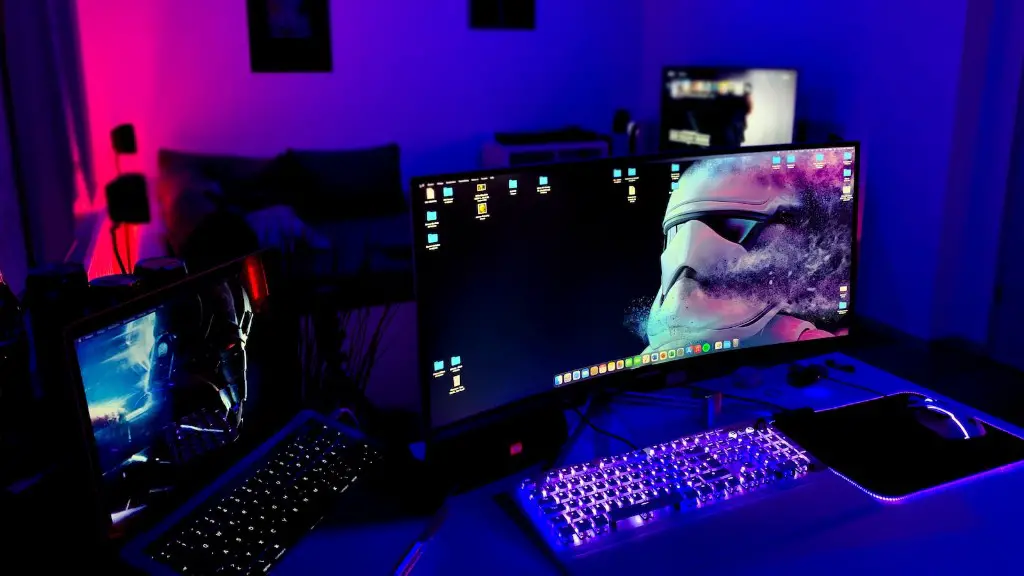
When buying Gaming Monitors, it is also important to consider the response time. Response time measures how quickly the monitor can change colors in milliseconds. For smooth and immersive gaming, the best response time on the monitor should be 1ms or less. If you can, opt for a monitor with a ‘Fast Sync’ or ‘G-Sync’ technology. These technologies help minimize any stuttering or tearing of the image during gameplay.
Panel Type
The type of panel your monitor uses affects how clear and bright the image will be. The most popular panel types used for gaming monitors are TN, IPS, and VA panels. TN panels are the least expensive, with the best response and refresh rates. IPS panels, on the other hand, have the best color accuracy and viewing angles. Lastly, VA panels are the in-between choice, with good response times and good color accuracy, but not as good as IPS.
Color Accuracy
Another important factor to consider when purchasing a gaming monitor is color accuracy. Color accuracy, often measured in ‘sRGB’, indicates how well the monitor can display color. If you’re looking for a budget monitor, settle for one with at least 95% sRGB. High-end monitors may have up to 100% sRGB. Look for ‘HDR’ to get the best performance with vibrant colors and deeper blacks.
Size
When buying the right gaming monitor, size is the final important specification to consider. Most competitive gaming is done on 24″ or 27″ monitors. Conversely, some play on larger gamers with resolutions up to 34″ or higher. Ultimately, the choice of what size is best for you is up to you and your preferences.
Refresh Rate
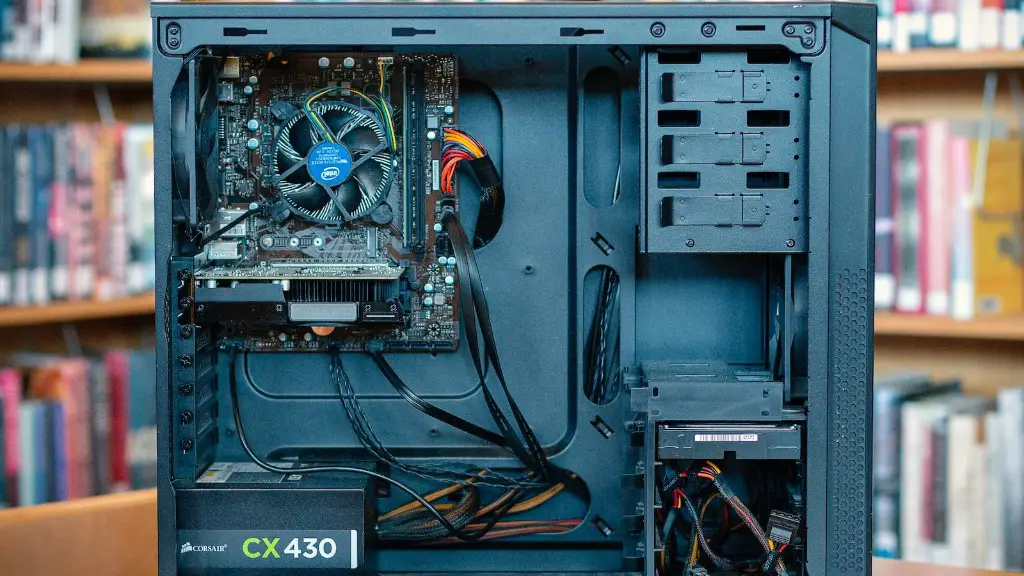
The refresh rate of your gaming monitor is the speed at which the screen will redraw the image that is displayed to you. Most gaming monitors offer a refresh rate of 60 Hz, but some may go as high as 144 Hz. Refresh rate is important if you want to enjoy a smooth gaming experience. A higher refresh rate means that more frames will be shown per second, resulting in a better gaming experience.
Resolution
Resolution is one of the most critical specifications to consider when selecting the best gaming monitor. The resolution of the monitor determines the clarity of the image. Generally, most gaming monitors have a resolution of 1920×1080, also known as Full HD. For a more immersive gaming experience, higher resolution monitors such as 2560×1440 and 4k UHD are available.
Response Time
The response time of a gaming monitor denotes how quickly the monitor can react to new image information. When gaming, the response time should be 1-2 milliseconds or less to remain fully engaged in the gaming experience. Keep in mind that faster response times mean lower response lag time, resulting in a smooth gaming experience.
Panel Type
The type of panel used in the gaming monitor affects the overall image quality. TN panels are the most cost effective and offer the fastest response time. IPS panels are pricier and offer better color accuracy and viewing angles. Lastly, VA panels offer a balance between speed and color accuracy. Ultimately, the panel type you choose should depend on your personal preferences and budget.
Color Accuracy
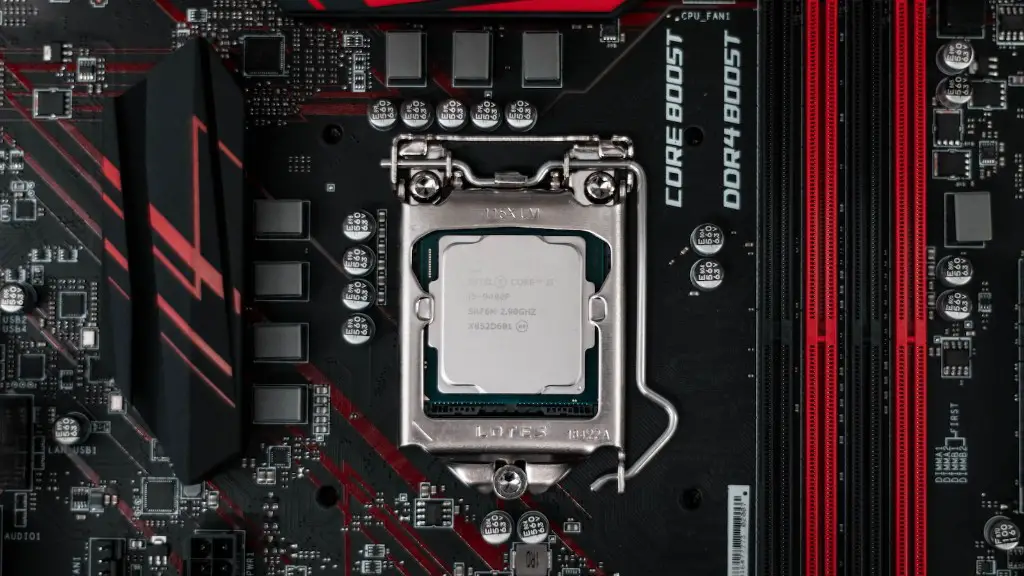
Color accuracy, measured in sRGB, denotes how accurately the monitor can display color. Monitors with higher color accuracy can deliver brighter and more vivid color, resulting in an overall better gaming experience. Budget monitors usually offer color accuracy of 95%, while higher-end monitors can offer up to 100%. If you’re looking for the very best in color accuracy, look for HDR monitors for the most vibrant colors possible.
Size
Most gaming monitors come in sizes of 24 inches and 27 inches. Monitors of this size are the perfect size for most gaming setups. For larger gamers, monitors of up to 34 inches are available. Larger monitors offer a more immersive experience, but may require a more powerful video card to take full advantage of the higher resolutions. Ultimately, the size of your monitor is up to your personal preference and budget.
