When considering whether a gaming monitor is suitable for photo editing, it’s important to understand the differences between these two activities. While gaming relies heavily on responsiveness and visuals, photo editing requires higher color accuracy, better brightness, contrast and saturation. All of these factors need to be considered in order for a monitor to perform for both tasks.
Gaming monitors are designed for gaming, which is why they provide a higher refresh rate and lower latency compared to photo editing monitors. This allows gamers to see their movements with more clarity and reduce input lag. Although this could come in handy during photo editing, it isn’t necessary and not as important as in a gaming setting.
On the other hand, photo editing monitors optimize color accuracy and better brightness, contrast and saturation. This ensures that the colors displayed on the monitor are very close to those of the original image. Such monitors also offer a consistent light output, which helps to avoid over-saturation of colors in the finished product. Additionally, a photo editing monitor allows you to zoom in more accurately and make finer adjustments at a very fine level.
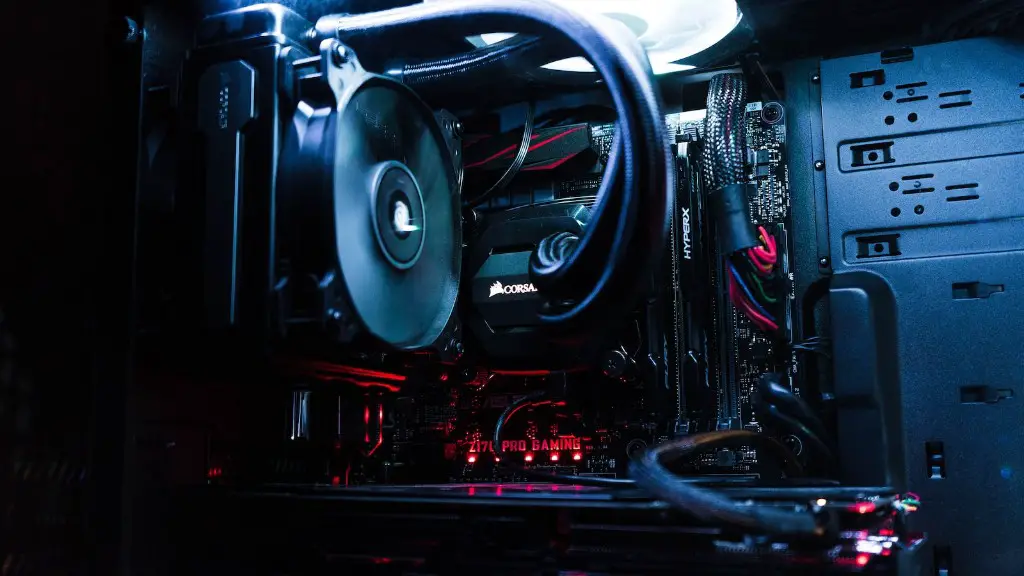
When deciding between a gaming monitor and a photo-editing monitor, it is important to consider what your needs are. A gaming monitor will have a higher refresh rate, lower latency and better visuals, but won’t be as adept for color accuracy and light output. On the other hand, a photo editing monitor can provide very accurate colors and better reproduction of highlights and shadows, but its refresh rate isn’t as good for gaming.
To summarize, for basic photo editing, a gaming monitor may suffice, but for more professional work, it’s better to invest in a monitor designed explicitly for photo editing. That said, if you plan on using your monitor for both activities, it is best to opt for a model that can provide a good balance of both.
Conclusion: Is A Gaming Monitor Good For Photo Editing?
In conclusion, a gaming monitor can be considered a viable alternative for basic photo editing. However, for more professional work, it’s best to invest in a good photo editing monitor that is specifically designed for the job. Ultimately, it should come down to your specific needs and what type of work you plan on doing.
Picking The Right Monitor For Photo Editing
When picking a monitor for photo editing, there are a few key features to look out for. First and foremost, the monitor’s color accuracy should be at the top of your list. A good photo editing monitor should be able to reproduce a wide range of colors with true accuracy. You should also take into consideration the brightness and contrast of your monitor, as these will have a big effect on your photos.
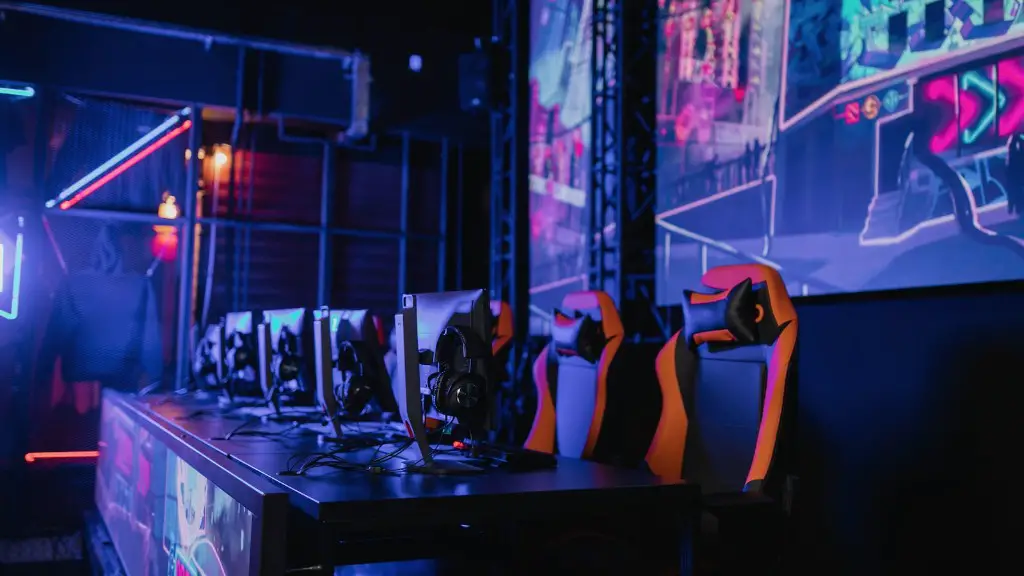
In addition to these, you should also pay attention to the monitor’s viewing angle and its response time. A good monitor should have a wide viewing angle, allowing you to see your photos from different angles, and a fast response time, making sure that your edits are accurate and responsive.
As a photographer or designer, it’s equally important to consider the ergonomics of the monitor. The last thing you want is a monitor that puts too much strain on your eyes or causes neck or shoulder strain from long hours at the desk. Pay attention to the tilt and height adjustment options of the monitor and make sure it’s comfortable to use.
Finally, consider the price of the monitor before making a purchase. High-end monitors tend to cost a lot more than budget models, but this doesn’t necessarily mean they are worth the extra money. Consider your needs and budget before choosing a monitor, and make sure it is reliable and built to last.
Tips For Getting The Best Out Of Your Monitor When Photo Editing
Once you have picked the right monitor for photo editing, there are a few tips and tricks to make the most of it. Firstly, calibrate your monitor with a specially designed kit and software. This will ensure that you are getting the most accurate and consistent picture. In addition, make sure to adjust the brightness and contrast settings that best fit for your work.
If your monitor doesn’t have a built-in calibration feature, you can also adjust color settings by using the individual red, green and blue values in the color settings. These settings can usually be accessed by navigating to the color setting panel in the display control panel. Additionally, you should set the screen resolution to the highest settings for the best viewing quality.
Finally, make sure the monitor’s backlight is on and at the perfect level. It should be bright enough for accurate viewing but not too bright as to cause eye strain. Furthermore, take regular breaks while working on your monitor to avoid fatigue and headaches.
Pros & Cons Of Using A Gaming Monitor For Photo Editing
There are both pros and cons to using a gaming monitor for photo editing. On the one hand, a gaming monitor can be a good option for basic photo editing as it offers a higher resolution and a more responsive refresh rate. As such, it is a good choice for those who are looking for an affordable way to get their edits done quickly.
On the other hand, gaming monitors may not have the best color accuracy or consistency in brightness or contrast. This can make it difficult to get the true colors of your photos or to accurately adjust the highlights and shadows – critical for any photo editor. Furthermore, gaming monitors may not have the best ergonomics, making it uncomfortable to edit for long hours.
In conclusion, a gaming monitor can be a good option for those who are just starting out or need to work on basic photo edits. However, for those who require higher standards, it’s best to invest in a professional photo editing monitor.