Many parents grapple with the question of whether they can let their children do their homework on a gaming laptop. After all, young minds are incredibly impressionable and parents don’t want to further exacerbate the epidemic of “gaming addiction” that may be developing among their children, as some media reports suggest.
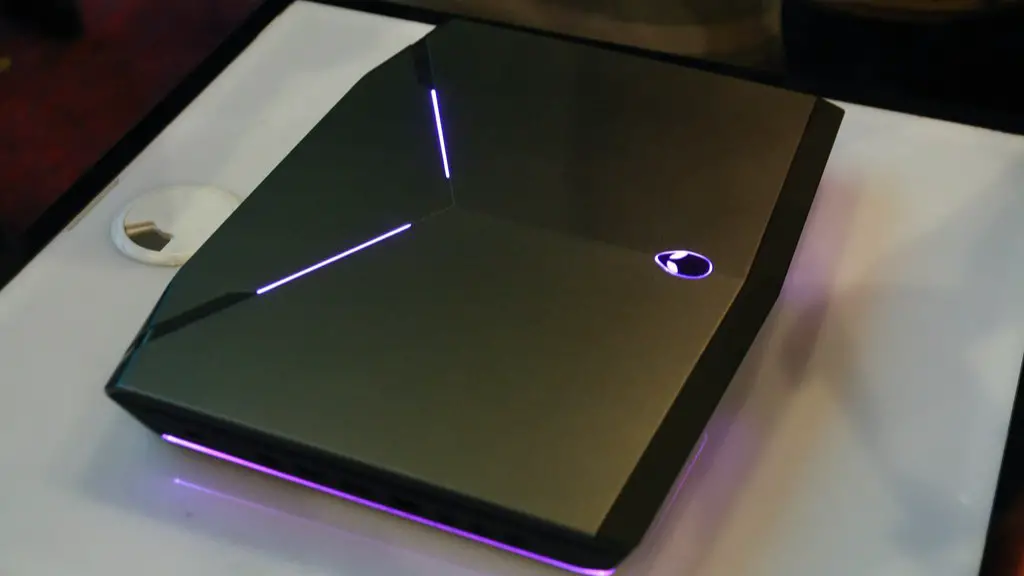
An understanding of a gaming laptop is necessary in order to make an informed decision. A gaming laptop is one that is designed with advanced graphics, longer battery life and higher screen resolution so that games, normally associated with PC systems, can be accessed on these laptops. Gaming laptops are more expensive than an ordinary laptop, and more powerful, enabling more speed, capacity and better user experience.
Expert perspectives on this issue vary. Some suggest that the laptop can enable extreme gaming and control access over the usage. But it can also be to the parent’s advantage, as many of these laptops can ensure better online security. Many of these laptops come with heavier-than-normal firewalls and better virus protection. For this reason, parents should consider the many advantages to having a gaming laptop.
The mental health implications of allowing a child to use a gaming laptop for homework should also be taken into account. While parents must be sure their child isn’t drawn into a gaming world, it should be noted that moderate gaming can be beneficial for cognitive development and concentration, as it allows children to exercise problem-solving and critical thinking. Moreover, statistics from the British Psychological Society suggest that approximately 75% of people who play video games demonstrate improved focussing ability, demonstrating that some level of gaming does not necessarily lead to addiction
While considering the pros and cons of letting a child use a gaming laptop, it’s also important to remember that gaming laptops can facilitate a variety of other applications. Many games feature educational elements such as collaboration and problem-solving, which can be beneficial for the development of children. Additionally, gaming laptops are powerful enough to handle many vital programs such as word processors and spreadsheets.
However, even when taking cost into consideration, it can be difficult to decide as to whether a gaming laptop is better than a conventional desktop. Gaming laptops generally have better overall performance than desktops, can be taken anywhere and work better for gaming. However, a desktop often offers more power for the same budget, and is normally a better choice for those that want to stay up to date with the latest technology.
Identifying the Right Gaming Laptop For Your Child
In order to make the decision to purchase a gaming laptop for your child, there are a few key factors to consider. For example, the child’s age, interests and experience with gaming will help guide the purchase decision. Additionally, other factors such as the laptop’s power, design, graphics and battery life should be taken into account.
The laptop’s price is also an important factor when making this assessment. Gaming laptops are more expensive than traditional laptops and many parents may not be able to afford one. In such a case, it may be wise to invest in a traditional laptop provided that it can handle most of the functions needed (e.g. software, gaming).
Finally, the type of games that the laptop can run is also important. Many of these laptops are capable of running games such as Alinity, Forza and Madden, but there may be other games that the child wants to play or that the parent does not want to be part of their playtime. As such, identifying what games the laptop can run and whether these are age appropriate should be part of the analysis.
The Benefits of Using a Gaming Laptop for Homework
Through the use of a gaming laptop for homework, children can benefit from a number of advantages. These include: improved engagement due to the presence of educational elements of gaming, improved concentration due to the presence of immersion, better research capabilities from being able to access the internet more easily, and more opportunities to develop collaboration and problem-solving skills.
Moreover, the use of gaming laptops gives parents the assurance that their children are kept away from unhealthy and unsuitable online content, can ensure better online security, and offer parents information on what their children are doing online. An added benefit of a gaming laptop is that it allows parents to discuss with their children online gaming and its various elements, enabling them to learn more about computer literacy.

Given the above, it is clear that a gaming laptop can be beneficial in both educational and parenting terms. With the right precautions and limitations in place, there’s no reason why a child shouldn’t do their homework on a gaming laptop.
Limiting Access to Unsuitable Content on a Gaming Laptop
As with any device, the use of gaming laptops should be kept in check and the internet content monitored. With the variety of online games available and the fact that web access is available on a gaming laptop, parents should be especially careful to ensure any unsuitable content is off limits to their children.
Given the virtual world in which we find ourselves, setting up parental controls and filtering content can help parents gain greater control over what their child sees and interacts with online. It is essential for parents to remain fully informed about the type of content their child is accessing, and a gaming laptop provides them with the tools to do this.
For example, parents can opt for subscription-based services that provide filtered content for gaming, such as Apple’s App Store and Google Play. Additionally, built-in parental control software can be installed on a gaming laptop. This will help parents to monitor and limit the amount of time their children spend online as well as to restrict certain websites, platforms and applications.
As parents look to provide their children with the means to do their homework, they should ensure that responsible, educated decisions are made. By weighing the pros and cons and considering the available options, they can make an informed decision while keeping their children’s safety in mind.
Ensuring Responsible Use of a Gaming Laptop
As a responsible parent, it’s important to make sure the gaming laptop is being used for educational purposes (such as homework) and not for gaming. Additionally, parents should ensure that their children are using the laptop in a safe and responsible way. It’s important to stress that children should not be spending long lengths of time on the laptop, or in front of the screen in general, as this can lead to problems such as back and neck pain.
It is also essential to ensure that children are accessing only suitable content. There are a few steps parents can take to ensure this, including installing family safety software and other parental controls. By limiting access to unsuitable websites, content, and games, parents can help to ensure their children are safe online.
Moreover, parents should discuss the possible implications of heavy gaming with their children, such as addiction and withdrawal symptoms. There are also more serious implications, such as cyber bullying and sexting, that could come with unrestricted usage of a gaming laptop.
In addition to all the above, parents must also ensure that their children are not over-relying on their gaming laptop. This should be done by reminding them to take breaks regularly and to stay active, both physically and socially. By setting these expectations from a young age, parents can foster a healthy relationship between gaming and their children.
Keeping an Eye On Online Security When Using a Gaming Laptop
With the rise of cybercrime, it’s essential for parents to keep an eye on their children’s online security when using a gaming laptop. There are a number of measures that parents can take to secure their children’s data, such as setting up a secure password, enabling two-factor authentication, and using a virtual private network (VPN).
It is also important to ensure that all programs and software are up to date and to install antivirus programs. Installing an anti-malware program is also advised as this can protect against malicious websites and viruses. Parents should also ensure that their children are not accessing any malicious links or downloading suspicious software.
Finally, parents should be sure to educate their children on the importance of online security. This will help to ensure that children are aware of the various dangers that exist online, and will allow them to make more responsible choices regarding their online usage.
Summary and Conclusion
In conclusion, it can be beneficial for a child’s education to use a gaming laptop for homework, but only if the child is monitored and restrictions are set in place. It is essential to consider the mental health implications, as well as the advantages and possible disadvantages of letting a child use such a laptop. Additionally, it is important to ensure the laptop’s suitability for the child’s age, interests and experience level, and to understand the type of games that can be accessed.
Furthermore, there are a number of safeguards that parents can take to ensure their children’s online security and protect them from unsuitable content, such as setting up parental controls and installing antivirus software. Finally, parents should educate their children on cyber security and on responsible gaming habits.
