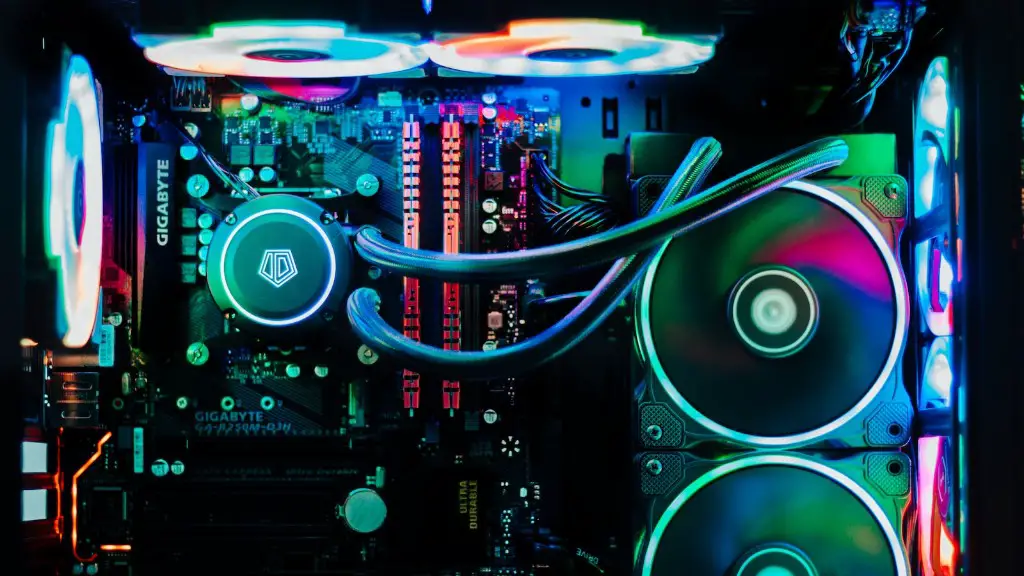
Building your own gaming PC on Amazon can be an exciting project. With the right parts and a little bit of patience, you can customize and build the ultimate gaming system. To get started, you need to decide what kind of PC to build. Do you want a high-end machine for the latest games, or do you just need something to play older titles? Once you’ve determined what you want, you can begin to shop. Here’s a breakdown of what you need and how to build a custom gaming PC on Amazon.
Before you start purchasing components, take some time to research the parts and make sure they’ll be compatible. The components you buy will depend on what type of gaming PC you want to create. You’ll need a CPU, a GPU, a motherboard, RAM, a storage drive, a power supply, a case, a cooler, and a monitor. Some of these parts may require specific models to be compatible with your motherboard, so make sure to double-check the compatibility before you buy. Amazon has an excellent selection of hardware parts for gaming PCs.
Once you’ve done your research and found all the compatible pieces of hardware, you’re ready to make your purchases. Amazon makes the process easy and you can even bundle select parts together to make sure you get the best deal. If you’re not sure of your exact configuration, you can also buy individual components. After you’ve made all your purchases, you can start assembly.
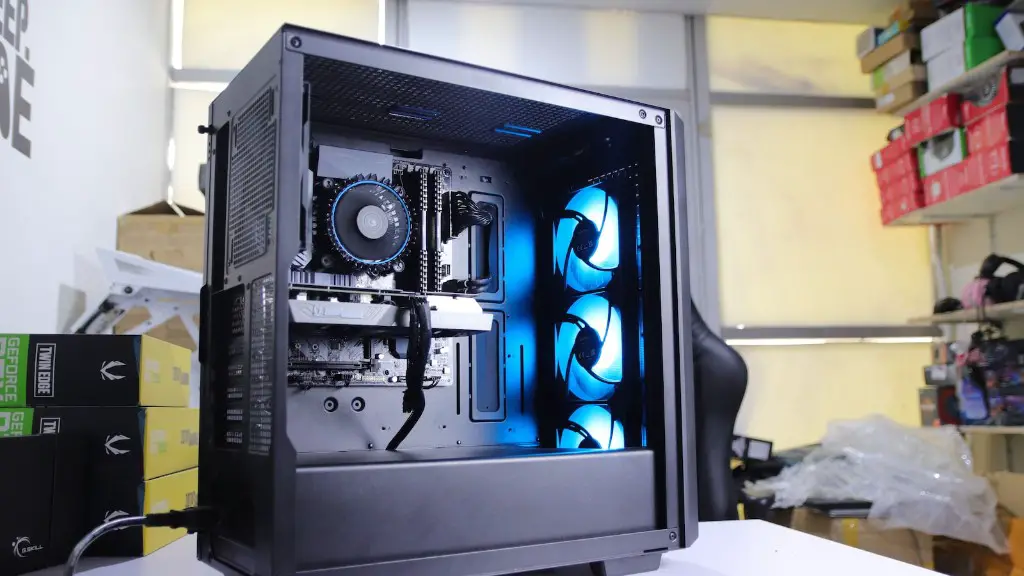
Now that you have your components, it’s time to get building. You’ll need to start by unpacking the components and arranging them in a logical order. Once you’ve organized your parts, you can begin to install the power supply, the CPU and the GPU. Be sure to tightly secure each component before moving on to the next. Once you’ve installed the power supply, the CPU and the GPU, you’re ready to install the motherboard into the case.
After you’ve installed the motherboard it’s time to insert your RAM and storage drive. Plug in your RAM and make sure it’s secure. Next, insert your storage drive. Once you’ve securely placed your storage drive, you can install the cooler. Once you’ve screwed in the cooler, you’re ready to start connecting your components. Start by connecting the motherboard to the power supply and make sure all the connections are secure.
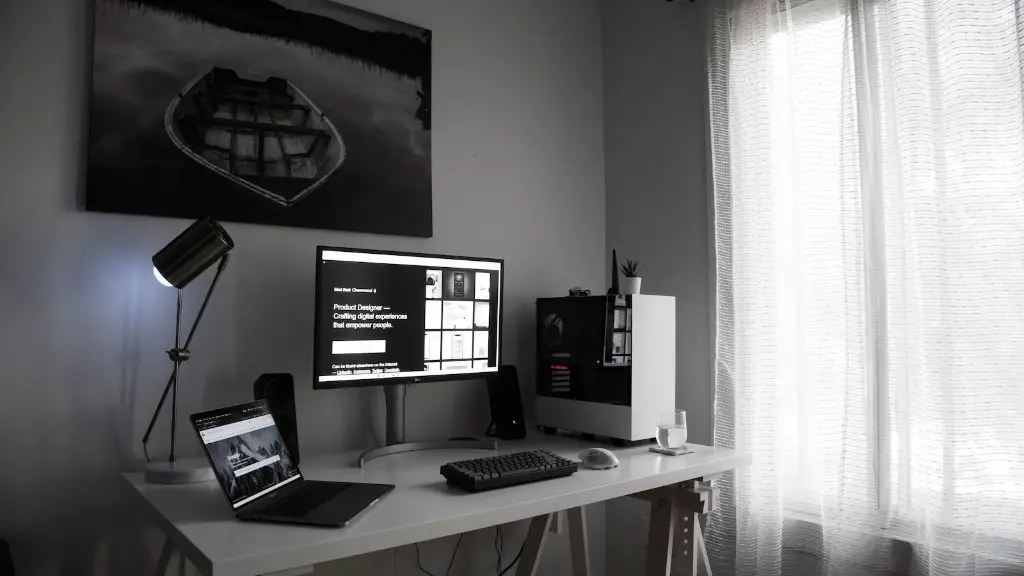
The final step is to connect all the peripheral components, such as the monitor, the keyboard and the mouse. Once you’ve connected all the peripherals, you can turn on the power switch and you’re ready to boot up. Congratulations! You’ve now built your own gaming PC on Amazon.
Finding The Right Parts
Building a custom gaming PC on Amazon can be an exciting and potentially rewarding experience as you get to choose all the components you want for your machine. Depending on what game you want to play and the graphics you want to support, you will need certain parts that may be more expensive than others. Researching parts and making sure they are compatible with one another is the most important part, especially when ross referencing with other reviewers’s builds. Combining good deals with quality parts can be an art, so work with Amazon’s pricing algorithms and find the parts that sync with your specifications.
It is also important to take your time to find the right parts, and not just rush to get in on the deal. Even with Amazon’s financing options, you will be paying a hefty cost, so you want to make sure the parts are the right fit for your build. Take the time to read all the descriptions in the marketplace to make sure your parts can work together and you aren’t going over budget.
When researching, also look for tradeoffs between components. Depending on the features you want, you may be able to substitute in a slightly lower-end part to save money without sacrificing quality. Lastly, keep an eye out for higher-end components on sale. Though rare, you can find some great deals on Amazon for a high-end part if you watch the marketplace long enough.
Once you’ve taken all this information into account, you can create a plan for the type of PC you want to build. Make sure you add up the cost of each item that you want to make sure you don’t go over budget. Lastly, take your notes and begin the shopping process with Amazon.
Building The PC
Once you have your components and have double-checked the compatibility of each part, you can start building your gaming PC. The actual assembly of the components is fairly straightforward, but as with anything related to electricity, it pays to be careful. Be sure to read the instructions on the case and other components so that everything is installed correctly.
To begin the assembly, start by adding the power supply to the case first. Then you can add the CPU and the GPU. Make sure you connect the power supply unit to the motherboard and to the cores of the CPU and GPU. Next, you can attach the RAM to the motherboard and connect the storage drive to the motherboard as well. Make sure the connections are tight and secure.
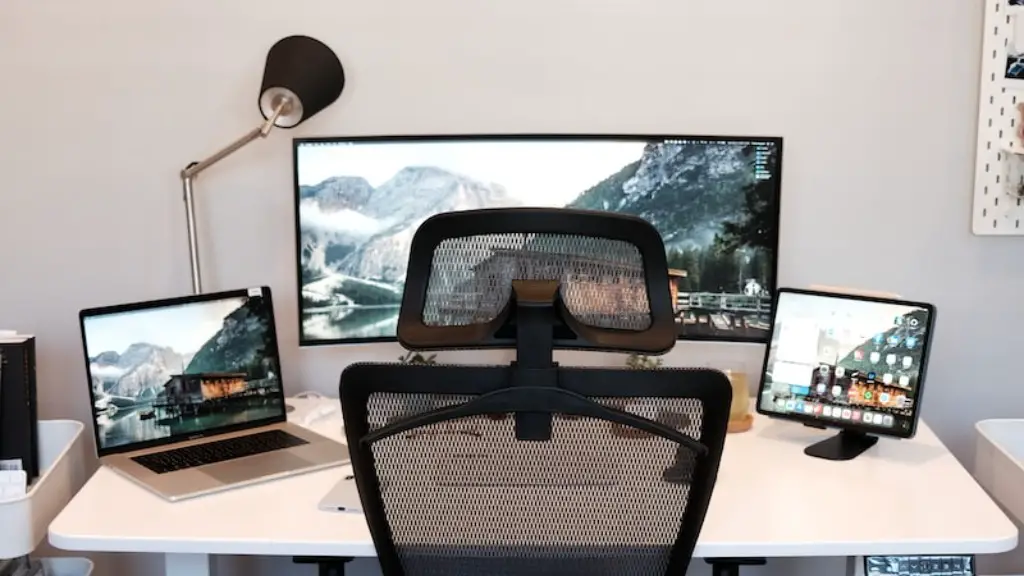
Once you’ve tightened all the connections, you can add the cooling and place the peripheral components. Connect the keyboard, mouse, and other input devices to the motherboard. If you have a dedicated sound card, attach it as well. Lastly, attach the monitor and any other video output devices.
At this point, your gaming PC should be ready to power up and use. Be sure to check all the components one last time to make sure nothing is loose or not connected correctly. Once you’ve gone over everything thoroughly, you can turn on the power and the PC should boot up.
Setting Up Your Operating System
Once your gaming PC has been built, you can begin the process of setting up your operating system. If you have an existing setup, you can simply clone it over to the new machine. But if this is your first time setting up a gaming PC, you’ll need to install an OS from scratch. Make sure you have the appropriate installation media and all the necessary drivers for the hardware.
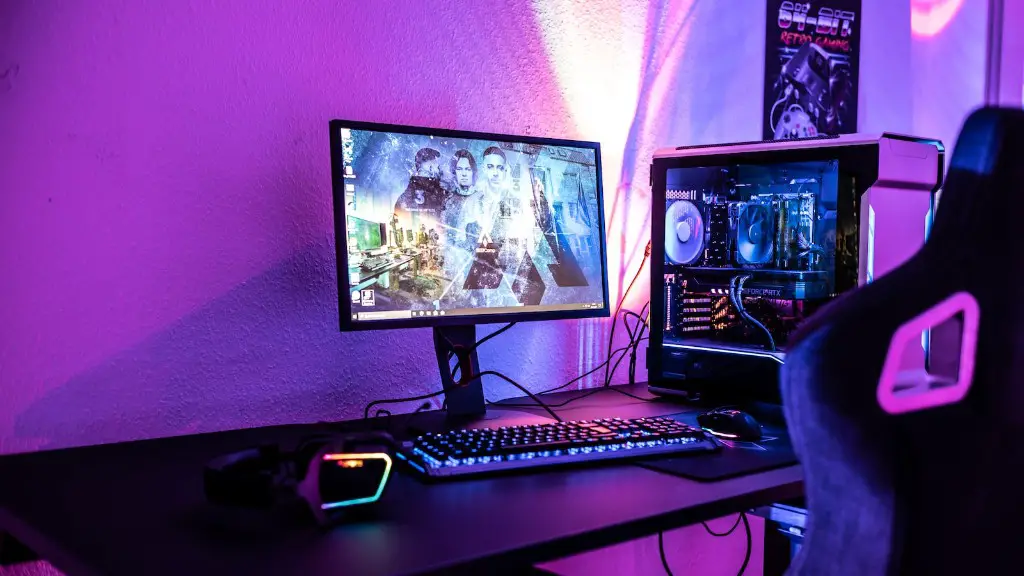
Installing an operating system is a fairly simple process. Simply go through the setup wizard and follow the onscreen instructions. The system will take some time to install, so be sure you have the machine plugged in to a surge-protected outlet and that you have the cooling system attached.
Once the installation is complete, you can begin to install your applications and other software. Be sure to add security software and any necessary drivers for your hardware. Then it’s time to add your games, install the necessary patches, and you’re all set!
Troubleshooting Issues
If you run into any issues during the build, don’t panic. Most issues can be resolved and your game will be up and running in no time. First, check the power connections and make sure they’re all tight.
If the power connections are secure, the problem may be in the RAM. Make sure all the RAM is installed correctly and that it’s compatible with the motherboard. If the RAM isn’t compatible, you may need to find a different set of chips. Alternatively, you can try reseating the RAM to make sure it’s not just a loose connection.
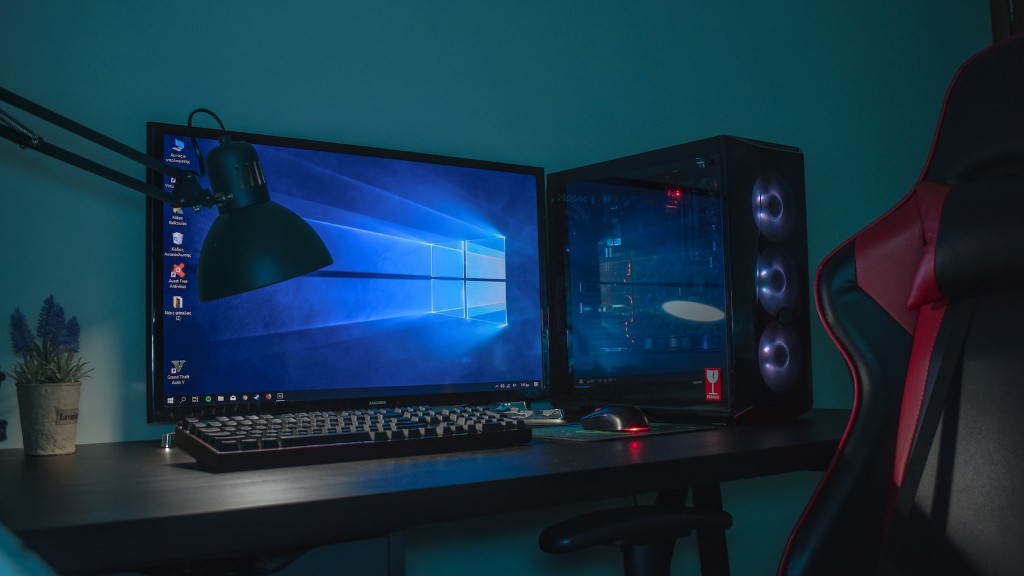
If the problem isn’t with the RAM, it may be the CPU. Make sure the CPU is correctly seated in the socket on the motherboard. If the CPU isn’t correctly secured, it can cause a variety of issues. If the problem persists, check the CPU’s fan and make sure it is working correctly.
These are just some of the possible issues you may encounter when building your gaming PC. Other issues may arise, but these will help you troubleshoot most of the common problems you’ll encounter during the build.
Booting Up & Running Games
Once your operating system is installed, it’s time to boot up your gaming PC and start playing! During the boot process, the system should automatically detect your hardware and install any necessary drivers. If the system does not detect the hardware, check that all the connections are tight and secure.
Once the system is up and running, you can begin installing your games. Remember to install the necessary patches to ensure the games are running properly. Once you’ve installed the games and the patches, you can begin to enjoy your gaming PC.
For those who want to take the gaming experience to the next level, consider overclocking your CPU and GPU. Overclocking can dramatically increase the performance of your gaming machine, but it can also introduce instability. Be sure to read up on the process before you attempt it.
For those who want to make their gaming machine a living room centerpiece, you can also consider adding a second monitor. Having two displays can greatly enhance the gaming experience and allow you to multitask more effectively.
No matter what you want to do with your gaming PC, Amazon has all the parts you need to make it a reality. With the right parts, a little bit of patience, and a little bit of know-how, you can create the ultimate gaming machine.
