Building your perfect Gaming PC from scratch is an exciting task. But it can also be a daunting one. There are a lot of components, specifications and compatibility issues to consider before you even make a single purchase. To make the experience simpler, here is a guide to help you build your Gaming PC.
Firstly, you need to decide your budget. Set an upper limit for what you are willing to spend, and then make a list of components essential for constructing a high-performance gaming PC according to it. Don’t forget to allocate some of this budget for miscellaneous components such as cables, thermal paste etc.
Once you have designed the list of components and the budget, it’s time to pick the right CPU and GPU (Graphics Processor Unit) combo. While the right CPU and GPU combination is essential for a smooth in-game experience, other components like RAM,motherboard, SSD, power supply and cooling are also important. Make sure that all these components are of the right specifications and fit in with the rest of your setup.
After you are done purchasing the components, verify that all of your parts are compatible with each other. Compatible components ensure smooth booting and a hassle-free transfer of power between the components. Refer to the manual for the motherboard to make sure that your RAM, CPU and the SSD are of the right compatibility.
The assembly process is where you can finally put everything together. Be sure to read up on the installation process of each component. This is essential to make sure there are no shorts in the wiring process, as improper wiring and routing can cause product failures. Working on the hardware during the assembly requires some technical tools, so make sure to have them handy before starting.
Finally, you need to install the operating system. Modern day Gaming PCs require a 64-bit version of Windows 10. Linux distributions like Ubuntu can also be installed if you want to play Linux-based games, but they are less common. Once the Operating System is installed, all your games and extra programs can be installed.
Troubleshooting Your Gaming PC
Troubleshooting is an important step in building your Gaming PC. After assembling your PC, make sure to verify that every component is getting enough power and that the visual representation of your components looks similar to what is stated in the manual. Most motherboards have an LED system to indicate any malfunctions.
It is important to remember that before attempting to troubleshoot the motherboard, you must first identify the trouble. Faulty cables, RAM not seated properly and other such common issues can be easily diagnosed. However, if the motherboard does not have the relevant LEDs then you can use a post card to test whether your issue is with the RAM, CPU or some other component.
Once the issue is identified it’s time to perform the actual troubleshooting. Try reseating the RAM and if the issue persists then you can try changing the RAM itself. Other components such as the CPU, GPU and all the other cables should also be checked to rule out any power interruptions.
If the problem lies with the CPU then it is best to replace it immediately as that is a more important component as compared to the GPU and other parts. Then, make sure to test each component again to verify that it is working correctly.
Sometimes, components like the RAM and the storage drive can get corrupted. In cases like these, you can use the in-built recovery options to restore your PC back to its initial state. However, in extreme cases, where all of your components stop working, a format might be necessary.
Improving Performance of Your Gaming PC
You can significantly improve the performance of your gaming PC by buying upgrades occasionally. Installing a high-end CPU is a great way to boost the performance of your system. This will allow your PC to multitask and to run more games at the same time. Other upgrades such as the graphics card, RAM, and the motherboard can also be used to improve the performance.
Another way to increase the performance of your PC is to overclock it. This is a process in which certain components are tweaked to higher speeds than the ones mentioned by the manufacturer. This requires extreme caution as you can easily damage the components by doing this. If done correctly, however, it can result in your PC reaching its full potential.
Increasing the storage drive can also make a significant impact on your gaming experience. Installing an SSD instead of a regular HDD can help you boot up games faster and load them quicker. Similarly, you can use additional RAM to help with multitasking and allow you to have multiple games open at the same time.
Finally, choosing the right Graphics Card is important for a great gaming experience. If you’re looking for the best image quality and maximum gaming performance, then opt for a Flagship GPU. Alternatively, if you want something more affordable, then choose a budget GPU. Either way, make sure to check the compatibility with the rest of your components.
Preventive Maintenance And Cleaning Of Your Gaming PC
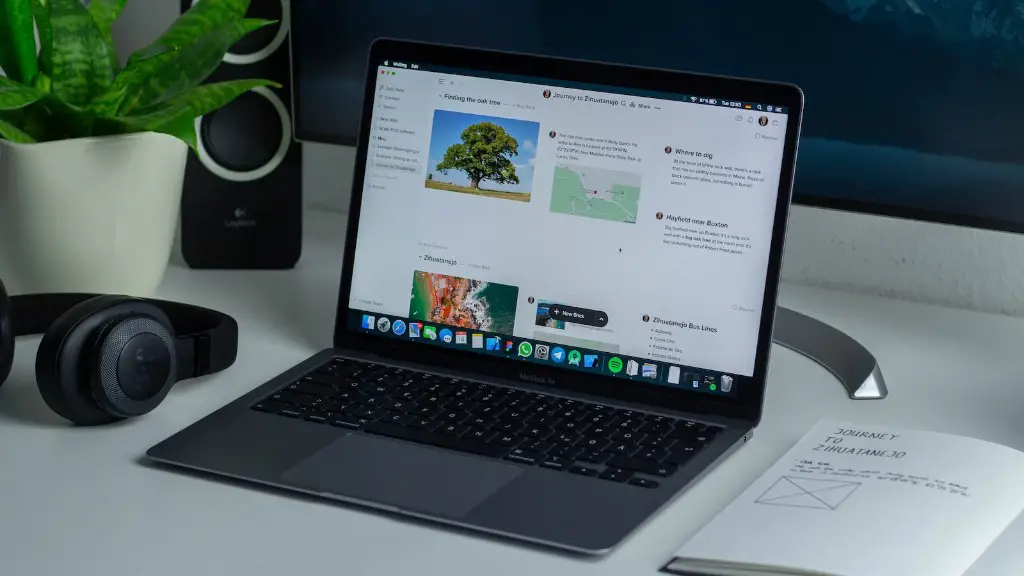
To ensure a hassle-free gaming experience, preventive maintenance and cleaning of your components is important. If a game is running slow or not providing the desired performance, then make sure to clean each of the components properly. This includes dusting out every corner of the PC case and disconnecting all the cables before starting the cleaning process.
Disconnecting the cables will prevent any electric shocks due to static electricity. Then use a can of compressed air to spray out all the dust from the vents and fan blades. Lastly, use a cloth to wipe down the components and see if there is still any dust present on them. This will help restore the airflow and will improve the performance of the components.
During gaming, the components tend to heat up a lot. As a result, it is important to make sure that the fans on the Graphics Card and the CPU are working efficiently. This can be done by using a fan speed testing utility. If the fans are not working properly, then try cleaning them using compressed air or replacing them altogether.
Another important part of preventive maintenance is making sure that the temperature of the CPU and GPU stay within the check. This can be done using the Motherboard Manager’s HW Monitor Program, which tracks the temperature of the components and alerts you if they exceed a certain level.
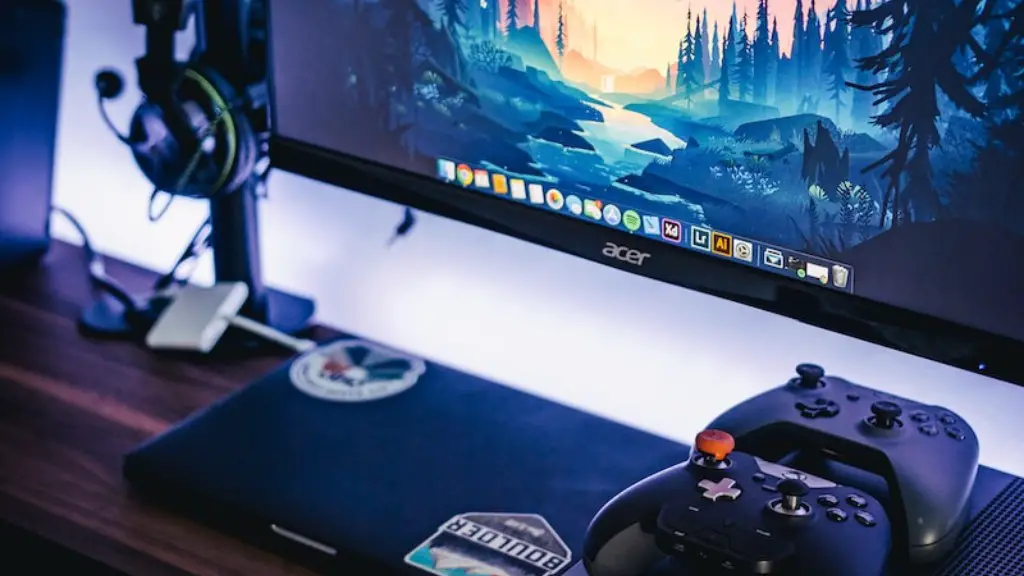
Finally, one should also check all the cables periodically. Loose or faulty cables can result in poor power transfer and can even affect the performance of certain components. Therefore, it is important to make sure that all the cables are connected securely and are in good condition.
Protecting Your Gaming PC
Protecting your Gaming PC from power surges and other external factors is essential. This can be done by using an Uninterrupted Power Supply (UPS) which will protect your components from high voltages and short circuits. Additionally, use a surge protector to protect your components from high voltages. In most cases, the surge protector will disconnect the power to the PC when the voltage goes over a certain limit and will reconnect it when it returns to a safe level.
Another important aspect is to ensure that your PC is virus free. You can use antivirus software to fill this purpose. Moreover, make sure to have a regular backup of all important data to protect it from any loss. This can be done by using an external hard drive or cloud backup.
Additionally, buying a good case is essential in protecting your PC. PC cases provide ample ventilation, which is required for the internal components. Furthermore, they are designed to withstand dust and light shocks, while still providing plenty of room for upgrades and customization.
Lastly, you should pay attention to the condition of your components. Make sure to use them as per the instructions provided. Keep the components clean, and if you come across any malfunctioning parts, replace them immediately.
