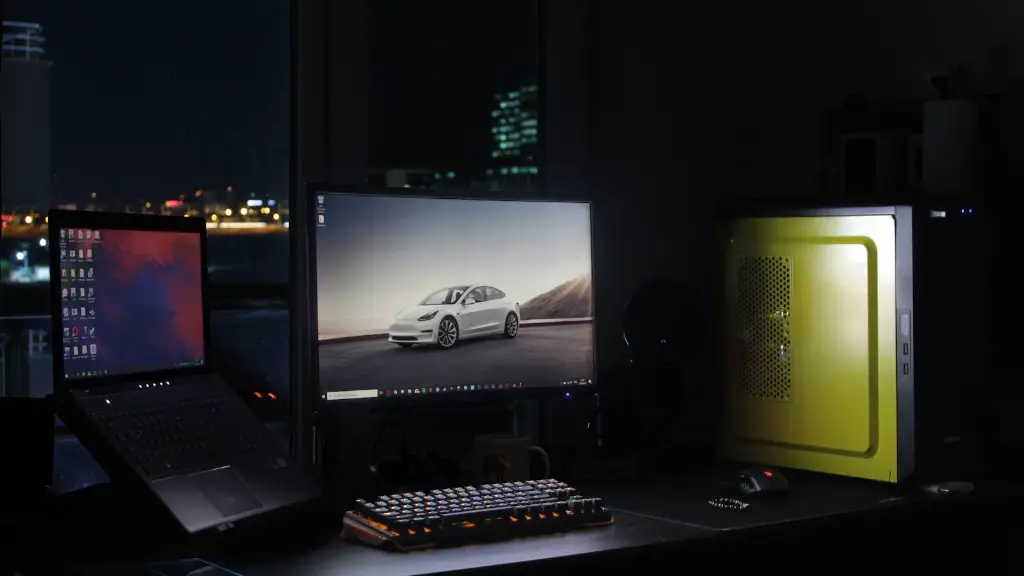
Building a gaming PC can be quite expensive and daunting. It’s important to choose the right components to ensure your gaming PC runs smoothly and performs to the best of its capabilities, without breaking the bank. Knowing the correct parts to buy and where to buy them for a good price, is an essential skill for any enthusiast. Here are some simple steps to help you buy parts for a gaming PC:
1. Research: The first step is research. Read up on the components needed and understand the different types available. Research what components you need and look for the ones that best suit your specific needs and budget. Make a shopping list of all the components and compare prices online.
2. Choose a Platform: Once you know what components you need, the next step is to choose a platform.Picking the right platform is key as it will determine the graphics card, processor and motherboard you can use. Different platforms offer different levels of performance, so it’s important to pick the right one for your gaming needs.
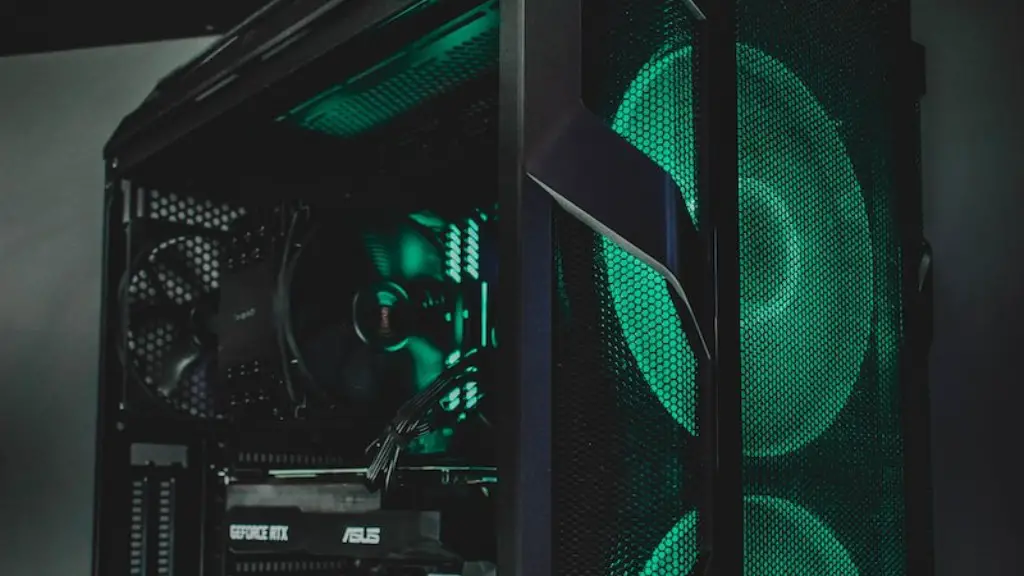
3. Choose the Components: When selecting components it’s important to know what your gaming needs are. If you’re looking for a high end system with the best performance, you should look for quality components such as a good graphics card and a powerful processor. If you’re looking for a budget system, then it’s best to look for mid-range components that offer good value for money.
4. Find the Best Deals: Price is an important factor when buying components. Compare prices from different retailers and look for discounts and sales. Alternatively, you could shop online for the best deals. You can also take advantage of price matching if you find the same component cheaper at another retailer.
5. Confirm Compatibility: Before you buy, it’s important to make sure your components are compatible with each other. Many components such as processors, motherboards and graphics cards are not compatible with each other, so it’s important to check the available ports and slots on your components to make sure they can be used together.
6. Shop Carefully: Buying your components in bulk can be a good idea in some cases, especially if you get a good deal. However, make sure that you really need all the components, or you could be wasting your money. Be wary of shipping costs and check the return policy in case something is wrong with your components.
7. Rely on Reviews: One of the best ways to make sure you’re getting a good product is to read reviews. This will give you an insight into the performance and quality of the components, so you can make an informed decision. Reviews can also provide useful information such as the specific ports and slots available on the components.
PC Motherboards
A motherboard is the most integral component of a gaming PC. It’s the main printed circuit board in the system that connects all of the other components. It holds the CPU, RAM and expansion cards and connects them to the power supply, fans and internal peripherals. When choosing a motherboard for your gaming PC, there are a couple of things to consider:
1. Form Factor:This is the physical size of the motherboard and it can vary from smaller mini ITX boards to larger extended ATX boards. The larger boards offer more features but are more expensive. The form factor you choose will depend on the size and type of case you are using.
2. CPU Socket Type:Your motherboard must match the type of processor you want to use. Different motherboards have different sockets which can only fit certain types and models of CPUs. Make sure the motherboard you choose has the right socket type for the CPU you want to use.
3. Expansion Slots:Motherboards come with a range of expansion slots that allow you to add additional components like graphics cards, sound cards and network cards. Make sure the motherboard you choose has enough expansion slots for the components you want to add.
4. Memory Slots:Motherboards come with a range of slots for different types of RAM. You should check that the motherboard has the right type of memory slots for the kind of RAM you want to use. Higher end motherboards usually have more memory slots as well as faster memory speeds.
5. Features:Motherboards come with a variety of features for added convenience. Features such as USB 3.0 ports, built-in Wi-Fi and Bluetooth can be very useful. Make sure the motherboard you choose has the features that you require.
Graphics Cards
A good graphics card can make a huge difference to the performance of your gaming PC. A good graphics card will be able to handle demanding graphics and deliver smooth, fast gameplay. Here are a few things to consider when choosing a graphics card:
1. GPU:The graphics processing unit (GPU) is the main component of a graphics card. GPUs vary in performance and power consumption, so pick a card that is powerful enough for your needs.
2. Memory:Your graphics card needs to have enough memory to handle the textures and resolution of the games you play. Make sure the graphics card has enough RAM for the best gaming experience.
3. Cooling:Graphics cards generate a lot of heat, so efficient cooling is important. Look for a card that has an efficient cooling system such as a large heatsink or a liquid cooling system.
4. Connectivity:Make sure that your graphics card has the right kind of connections for your monitor. HDMI and DisplayPort connections are the most commonly used, but you may need to check if your card supports older connections such as DVI and VGA.
5. Power Requirements:Graphics cards need a lot of power, so make sure that your power supply can handle the load. Check the power requirements of the card and make sure your power supply is up to the task.
PC Cases
The case is an important factor when building a gaming PC. It needs to have enough space to house all of your components, as well as good cooling and enough ports for wires and cables. Here are a few things to consider when selecting a case for your gaming PC:
1. Size:Your case needs to be big enough to fit all of your components. The size of the case will also partly determine the size and number of fans you can fit inside. Larger cases are ideal for those who want to install more components or water-cooling systems.
2. Cooling:The case needs to have good ventilation and enough space for fans. Make sure that there are enough mounting points for fans and check for dust filters as well.
3. Cable Management:A good cable management system is important for keeping all the cables tidy and out of the way. Look for a case with enough space for cable ties and the ability to route cables behind the motherboard.
4. Front Panel Accessories:Having easy access to ports and accessories on the front of your case can be very useful. Look for cases that have USB 3.0 ports, headphone and microphone jacks, as well as LED lighting.
5. Water Cooling Support:If you want to install water-cooling in your case, then look for one that supports it. Some cases come with built-in support while some require you to buy a water cooling kit separately.
PC Power Supplies
A power supply is an essential component of a gaming PC. It provides the power to all the other components, so it’s important to choose the right one. Here are a few things to consider when picking a power supply:
1. Wattage:The wattage of the power supply is the most important factor to consider. Look for a power supply with enough wattage to power all your components. Make sure to get an estimate of the total wattage of your components, to ensure that your power supply has enough power for them.
2. Efficiency:Look for a power supply with a higher efficiency rating. Power supplies with an 80+ rating are considered to be good quality, although 80+ Gold and Platinum rated power supplies are even better.
3. Size:Power supplies come in a variety of size, from small modular units to large, non-modular units. Modular power supplies are easier to install and have a more minimalistic look, while non-modular power supplies are cheaper and offer more power.
4. Connectors: Check for the number of connectors provided and make sure that it has enough for all your components. Different cables have different connectors, so it’s important to make sure you have enough of the right kind.
5. Noise Level:The noise produced by the power supply depends on the quality of the fan and cooling system. Look for a power supply with a quiet fan and an efficient cooling system to reduce noise.
Storage Devices
Having enough storage for all your games and applications is essential for a gaming PC. Depending on your gaming needs, you may want to consider adding multiple storage devices. Here are a few things to consider when selecting storage for your gaming PC:
1. Size:Storage sizes vary from a few gigabytes to several terabytes. Consider how much storage you need and get the right size for your needs. Having multiple storage devices is also an option if you need more space.
2. Speed:The speed of your storage device is important for loading games and applications. Solid state drives (SSDs) are significantly faster than traditional hard drives, so if possible, look for an SSD with enough storage for your needs.
3. Interface:Look for a storage device with a fast connection. SATA 3.0 is the latest standard for storage, but faster connection such as PCI-Express can be used for SSDs.
4. Reliability:Make sure the storage devices you choose have a good reputation for reliability and performance. Read reviews and check the return policies in case your storage device fails.
5. Price: Storage is an essential component of a gaming PC, so it’s important to make sure you’re getting good value for money. Compare prices between different retailers,
