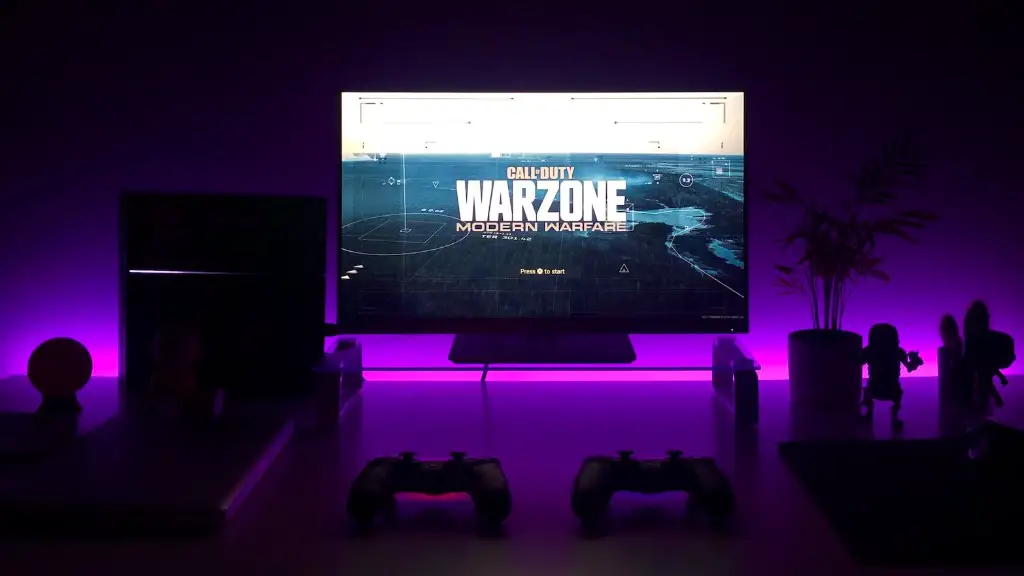
Installing Windows on a gaming PC is not as difficult as most people think. Firstly, you will need a copy of the Windows OS – either Home Premium, Professional, or Ultimate. Usually, these can be obtained either as an upgrade or a full version from Microsoft. Secondly, you will also need a USB flash drive, as this is one of the easiest methods to install Windows. Thirdly, you need to select the type of installation you prefer – either a clean installation or an upgrade. Fourthly, you will need to prepare the flash drive by formatting it, setting it up as a bootable device, and then transferring the Windows setup files onto it. After properly formatting the drive, you will be able to boot into the Windows Setup program by pressing a certain key combination. Lastly, you will need to proceed through the remaining Setup steps, such as activating and registering your copy of Windows with Microsoft.
Installing Drivers
Once Windows has been successfully installed, the next step is installing the appropriate drivers for your gaming PC. First, you need to download the latest drivers from the official website of your graphics card’s manufacturer. These drivers are usually downloadable as a single file and may be in the form of an executable (.exe) file or a .zip file. Secondly, you will need to open this downloaded file and follow the instructions as per the on-screen instructions. Thirdly, you will need to be sure to select the correct drivers for your system as this could have an impact on your gaming performance. Fourthly, if you don’t know what the right drivers are, you could consult your manufacturer’s website to find the right drivers for your particular gaming PC model. Lastly, once the drivers are installed, you should be able to experience improved performance while gaming on your PC.
Testing the System
Once the drivers are installed and your gaming PC is up and running, the next step is to make sure that it is working properly. Firstly, you should check if all your components are working as intended – this includes checking the graphics card, the CPU, and the RAM. Secondly, you should also install some benchmarking software to make sure that your system is running optimally. Thirdly, you can benchmark your system by running the software for approximately 15 minutes and taking note of its performance. Fourthly, you can compare this performance with the benchmark results from other users. Lastly, if your system is running slower than other similar users, you may need to adjust your system settings or reinstall your drivers for further optimization.
Installing Games
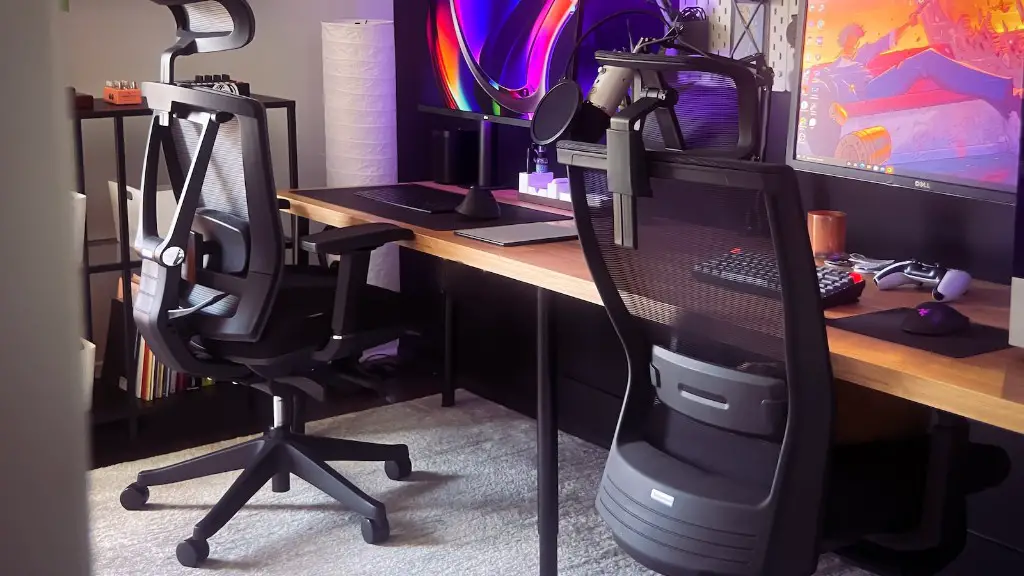
Once you have tested your system and successfully gotten it running without any performance issues, you can then move on to installing games. First of all, you will need to download the games that you wanna play. Secondly, you should make sure to keep all your game files in a single, dedicated folder – such as the “Games” folder in the root of your Windows drive. Thirdly, once you have the games downloaded, you can begin the installation process by running the appropriate setup files. Fourthly, depending on the game, you may need to download additional software or files before you can start playing. Lastly, once the game has been successfully installed and all of the necessary requirements are met, you should be able to launch and play the game with no issues.
Optimizing Game Settings
Once you have installed the game that you wanna play, the next step is to properly optimize the game settings for optimal performance. Firstly, you should configure the game settings to match the requirements of your gaming PC. Secondly, you should also adjust the graphics settings to get the most out of your hardware. Thirdly, you should keep in mind that different games have different graphical requirements, and so you may have to tweak the settings for each game accordingly. Fourthly, you should also experiment with the game’s resolution settings to find the right balance between performance and graphics visual quality. Lastly, you should also try out different textures and anti-aliasing settings to achieve the best performance.
Upgrading Components
If you find that your gaming PC is struggling to run the game at an acceptable framerate, you may need to upgrade certain components. Firstly, if you find that your graphics card is the bottleneck, you should consider upgrading it to a more powerful model. Secondly, if your CPU is struggling to cope, you should look into upgrading it as well. Thirdly, if you find that your RAM is insufficient, you should look into adding more memory. Fourthly, if the game is still running too slowly, you may need to upgrade your power supply as well. Lastly, if you are able to upgrade any components without breaking the bank, you should be able to boost your PC’s performance significantly.
Using Overclocking Software
If you want to further increase your gaming PC’s performance, you may want to consider overclocking the hardware. Firstly, you will need to purchase some overclocking software – this is an application that will allow you to manually tune your hardware for maximum performance. Secondly, you will need to be extremely careful when using the software, as overclocking can have serious implications if done improperly. Thirdly, you should always make sure to monitor your system’s temperature while overclocking, and if you notice any drastic changes, you should back off from the overclocking process. Fourthly, you should also not overclock any component beyond its recommended settings, as this could potentially cause permanently damage your system. Lastly, once you have successfully overclocked your system, you should be able to experience a significant performance boost while gaming.
Using Gaming Peripherals
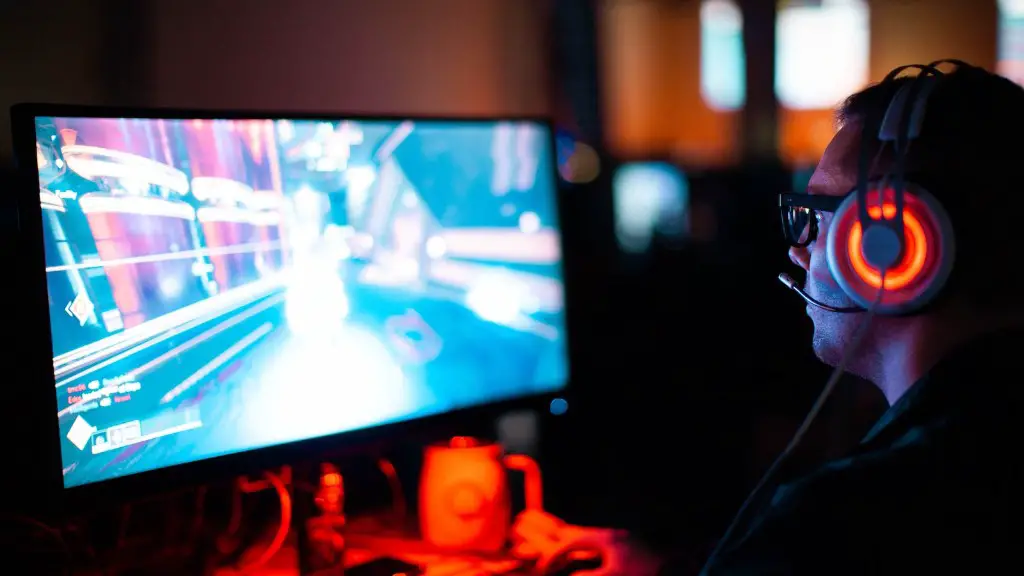
If you want to get the most out of your gaming experience, you should consider investing in some gaming peripherals. Firstly, you should look at getting a gaming mouse and gaming keyboard as these can help you improve your performance while gaming. Secondly, you should also consider getting a gaming headset and gaming speakers to get the full audio-visual experience. Thirdly, you should also invest in a good gaming chair as it can help improve your posture and reduce strain while gaming. Fourthly, some gamers also like to use gaming controllers, such as Xbox or PlayStation controllers, for certain games. Lastly, if you are a competitive gamer, you may want to use an in-game voice chat system, such as Discord, to communicate with other players.