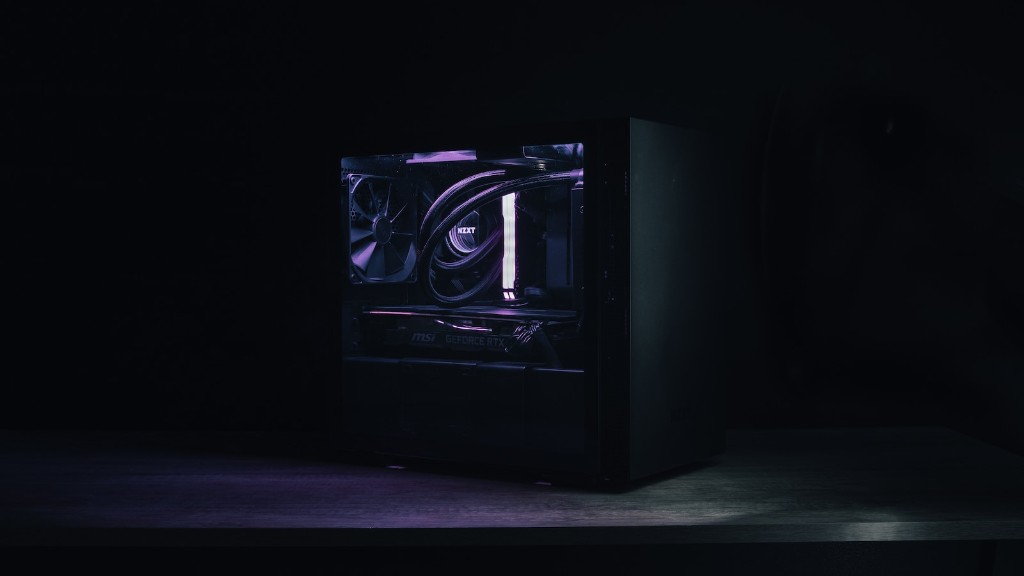
Building a gaming PC used to be a complex task. But with today’s technology and off-the-shelf components, it’s simpler than ever. To get started, you’ll need to know what components you’ll need to build a gaming PC list. Here’s what you need.
First off, you’ll need a computer case. This houses the components and provides the necessary airflow. It’s best to buy a case with a mid- or full-tower form factor that supports the latest components, and plenty of space for cooling components and drives.
Next is the motherboard. This is your PC’s mainboard and is probably the most complex component. You’ll want one that has enough ports for all the components you plan on using, as well as a compatible processor socket. Make sure to pick one that supports the components and features you need.
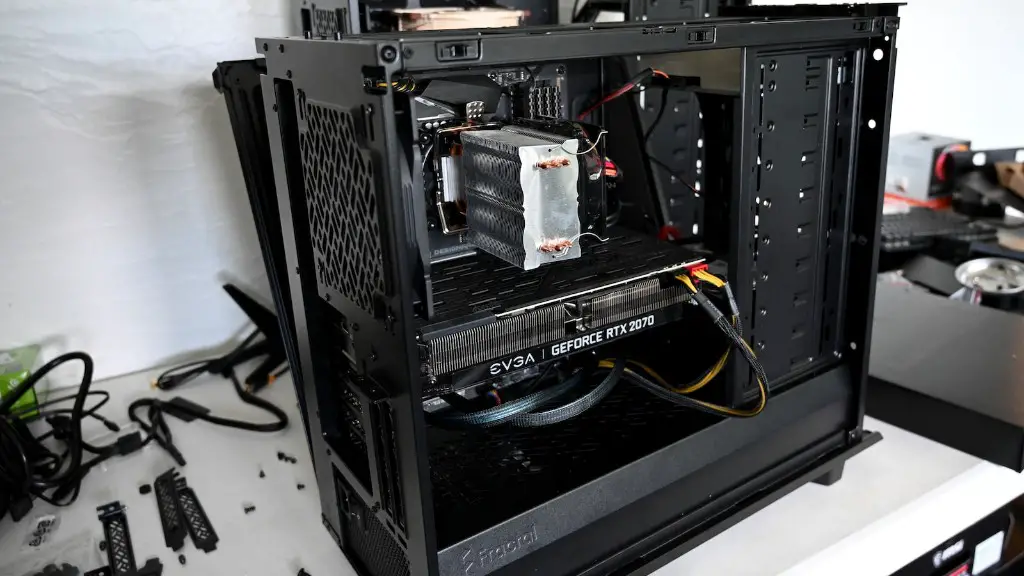
You’ll also need a processor. This is the brain of your computer, and can make a major difference when it comes to gaming performance. Look for a model with higher clock speeds and the right number of cores for the games you plan to play.
Memory is just as important. Your PC runs programs and games from its memory, so the more RAM you have, the better your experience. Look for a system with at least 16GB of RAM—preferably more.
For storage, there are two main options: traditional hard drive (HDD) or a solid state drive (SSD). SSDs offer faster boot times, shorter loading screens, and improved performance, so they’re a great addition. But if you have a tight budget, an HDD is still a viable option.
Finally, you’ll need a graphics card. This is probably the most important part of a gaming PC, as it determines the visuals and performance of your system. Look for the latest models with a dedicated memory and the right combination of performance and power efficiency.
Power Supply

A power supply (PSU) is also necessary for building your PC. It supplies power to all of your components, so a good quality PSU is essential. Look for an ATX PSU with a good efficiency rating, plenty of connectors, and the right wattage for your hardware.
You’ll also need a CPU cooler. This is an important part of your PC’s cooling system, and can boost your processor’s performance. Select one tailored to the size and cooling performance you need.
You can also add extra features to your PC. A liquid cooling system, for example, offers excellent cooling performance. And depending on your budget, you can add an NAS drive or extra storage to your PC.
Finally, you’ll need to wire it all together. Connect your PSU to each component, and get familiar with the motherboard’s ports and headers. Then check the BIOS, update any firmware, and make sure each component is working properly.
Monitor and Accessories
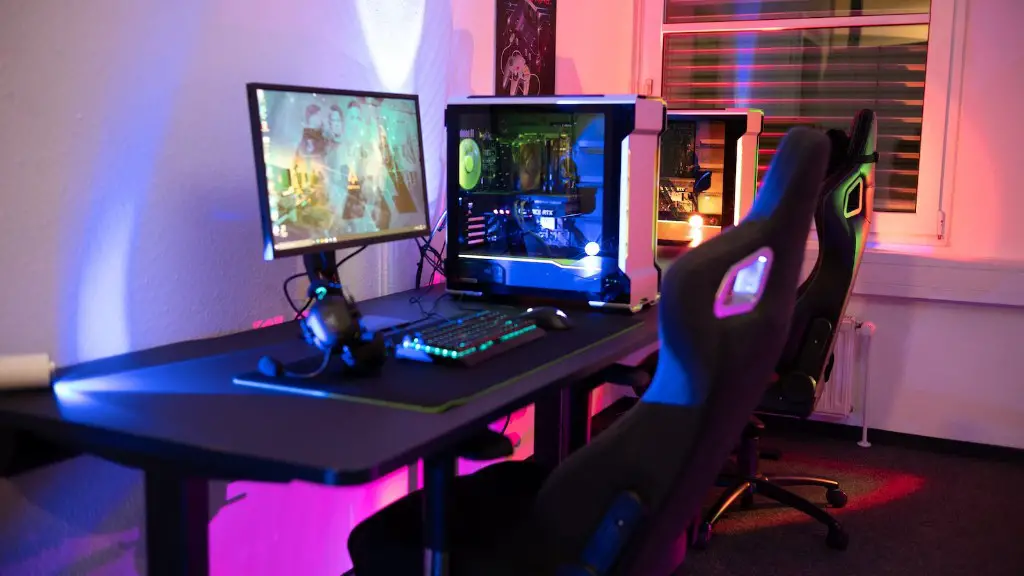
A monitor is also essential for gaming. Choose one with the right panel size and resolution, as well as features like adaptive refresh rate, a lightning-fast response time, and multiple inputs.
To complete your gaming PC setup, consider adding a gaming mouse and keyboard. Both of these peripherals should offer customizable buttons and controls. And for maximum comfort and performance, you should also invest in a quality gaming headset.
For the best gaming experience, consider upgrading or adding quality components. A dedicated audio card, for example, provides better sound quality, while high-end components can help you get the most out of the latest games.
In addition, you’ll need quality software. An antivirus program is essential, as it protects your system from online threats. You might also consider a gaming utility like Steam to manage your library, and dedicated game-boosting software like MSI Afterburner.
Of course, you can also add dedicated gaming components, such as gaming consoles, steering wheels, and so on. Ultimately, the components you choose will depend on your needs, budget, and preferences.
Installation and Updates
Once you have all your components, it’s time to install them. Refer to the manual for instructions on how to install each component, and use the correct combination of screws and brackets.
You should also update the BIOS and any firmware. These often contain important updates for new components, and can help ensure compatibility and improve performance.
Finally, you’ll need to install your operating system. Windows 10 is the best choice for gaming, as it offers smooth performance and support for the latest games. You can purchase a license from Microsoft, or use a free Linux-based operating system.
Troubleshooting and Optimizing
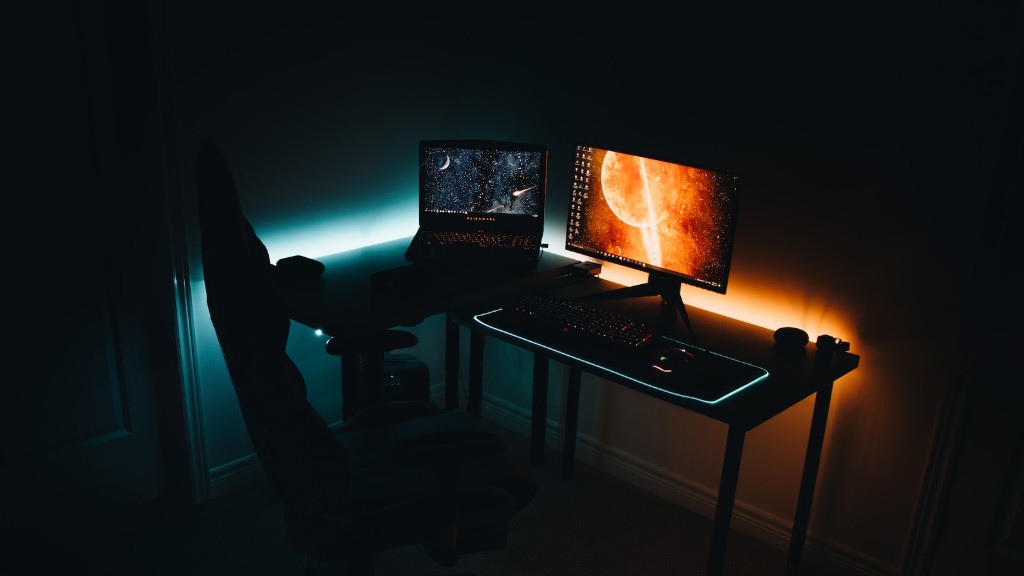
Before you use your PC for gaming, it’s important to troubleshoot any potential issues. Run tests on each component, and your operating system too. If possible, borrow someone else’s hardware and test it in your PC. This can help identify any faulty components.
Once your PC is running properly, you can start optimizing each component. Run tests to check your system’s performance, adjust the display settings, and tinker with the BIOS, if you feel comfortable doing so.
You should also enable overclocking, if you choose. This allows you to boost your processor and graphics card’s performance, though it might reduce their lifespan.
You can also use software to boost your gaming performance. Some good options include Razer Cortex and CPU-Z, which can help you overclock, benchmark, and monitor your gaming PC.
Conclusion
Building a gaming PC isn’t as complicated as it seems. All you need is the right list of components, a few tools and peripherals, and a little bit of patience. With the right components and a reliable setup, you can build a gaming PC that’s perfectly tailored to your needs.