Gamers rely heavily on their gaming monitor for a smooth and enjoyable gaming experience. A gaming monitor is a device used to display video generated by a computer, video game console, or other devices. It is important to choose interesting and rewarding features when selecting a gaming monitor. Below are some of the most important features to look for when choosing a gaming monitor.
Firstly, the most important feature to consider when choosing a gaming monitor is the resolution. The higher the resolution, the more detailed the image displayed can be. If you are looking for sharp and clear visuals, a 4K resolution monitor is the way to go. Secondly, the refresh rate is another important feature when it comes to gaming monitors. A higher refresh rate ensures smooth images with little to no motion blur, which is essential for gaming. Thirdly, the response time is an important factor in gaming monitors. Lower response times result in faster responsivity during gaming, ensuring that in-game movements have the required accuracy.
Fourthly, one factor to consider is the panel type. TN panels are a popular choice for gamers due to their fast refresh rates, but other panel types such as IPS and VA panels offer better color accuracy and viewing angles. Fifthly, it is important to determine the size and shape of your gaming monitor. You want to make sure that it fits in your gaming setup and provides the ideal ratio of screen space to desk space. Lastly, keep in mind the resolution and color coverage as these will also play a key role when it comes to choosing the best gaming monitor.
Screen Resolution
Screen resolution is a major factor to consider when choosing a gaming monitor. It determines the clarity of the visuals and the number of pixels on-screen. A higher resolution monitor will provide a sharper image quality with more details. The most commonly used resolution for gaming monitors is the full HD (1920 x 1080), but gaming technology is quickly advancing and now some gaming monitors are available with 4K resolution. These ultra-high resolutions provide incredibly detailed visuals, but also higher levels of demanding power from the computer.
Refresh Rate
The refresh rate of a gaming monitor is an important factor to consider as it determines the smoothness of the image displayed. It is measured in Hertz (Hz) and is the number of times per second that the monitor refreshes the image. A higher refresh rate will usually result in smoother images with less motion blur or stuttering. If a higher refresh rate is important for your gaming, look for gaming monitors with a 120Hz or 144Hz refresh rate. It’s also important to note that not all gaming monitors can achieve their advertised refresh rates, so it’s best to check reviews for real-world results.
Response Time
The response time of a gaming monitor is also an important factor to consider as it affects how quickly the monitor can react to in-game movements. It is measured in milliseconds (ms) and is the time taken for a pixel to transition from one color to another. Lower response times will result in sharper, more accurate visuals with no ghosting or blurring. Look for gaming monitors with a response time of 1ms or lower to ensure fast and responsive gaming.
Panel Type
The type of panel used in a gaming monitor is another important factor. Different panel types present various benefits and drawbacks. TN panels are the most common type and are usually the most affordable. They offer the fastest refresh rates but lack in terms of color accuracy and viewing angles. IPS and VA panels offer good color accuracy and better viewing angles, but the refresh rates are usually lower than the TN panels.
Size and Shape
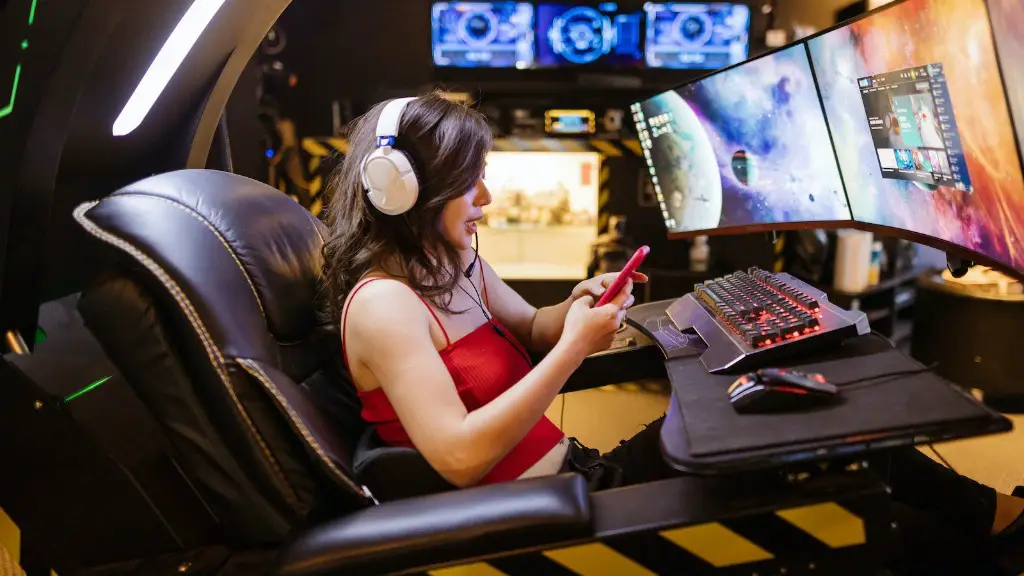
The size and shape of the monitor should also be considered when selecting a gaming monitor. Popular sizes for gaming monitors include 21.5″, 23″, 24″, and 27″, with some monitors offering even larger sizes. As for aspect ratio, the common widescreen 16:9 ratio is the most popular, but if you have the space you may opt for a 21:9 ultra-widescreen monitor. Additionally, keep in mind the resolution and color coverage as these will have an impact on the overall quality of the image.
Connectivity & other Features
Make sure to consider other features such as connectivity and additional features. Most gaming monitors come with a variety of inputs and outputs such as HDMI and DisplayPort. Additionally, features such as variable refresh rate (VRR) technology, AMD FreeSync and NVIDIA G-Sync are important features to look for when selecting a gaming monitor.
Price
Finally, price is a major factor to consider when choosing a gaming monitor. Other features such as panel type, size, and features can all affect the price. Monitors with higher resolution and larger sizes usually cost more but provide a higher quality of visuals. Monitors with faster refresh rates, low response times, and advanced features such as adjustable stands and ergonomic designs can also be more expensive. Depending on your budget, you may have to compromise on certain features to get the best monitor for you.
