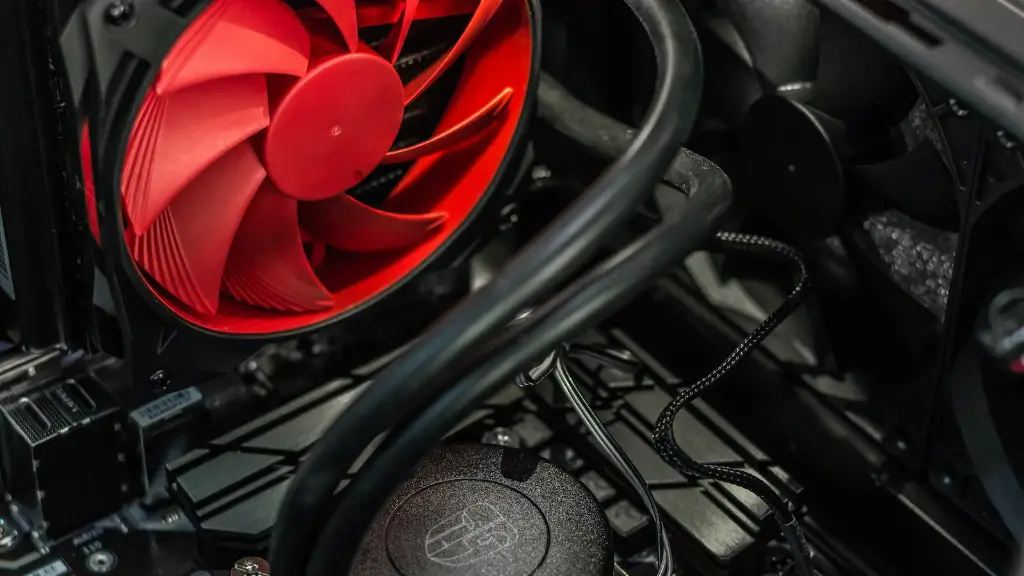
A gaming PC is an important tool for any modern gamer. It is necessary for playing games and helps enhance the gaming experience. In this post, we will discuss what an average gaming PC looks like and what components it includes.
An average gaming PC consists of a computer case, storage drive, power supply unit, motherboard, processor, graphics card, and RAM. The purpose of each of these components is to improve gaming performance by powering the various game configurations.
The computer case is the first component of a gaming PC and is where all the other components are contained. It is the frame and structure of the gaming system. The size and design of the computer case influence the flow of air and cooling of the gaming PC components.
The storage drive is where the gaming files are located and where the operating system is installed. It is also responsible for providing access to the game files. HDD and SSDs can be used for storage, but an SSD is often chosen for gaming PCs as it provides quicker access and better performance.
The power supply unit (PSU) is the component responsible for delivering power to the other components when the system is running. An average gaming PC needs a minimum of 500W PSU to power the system.
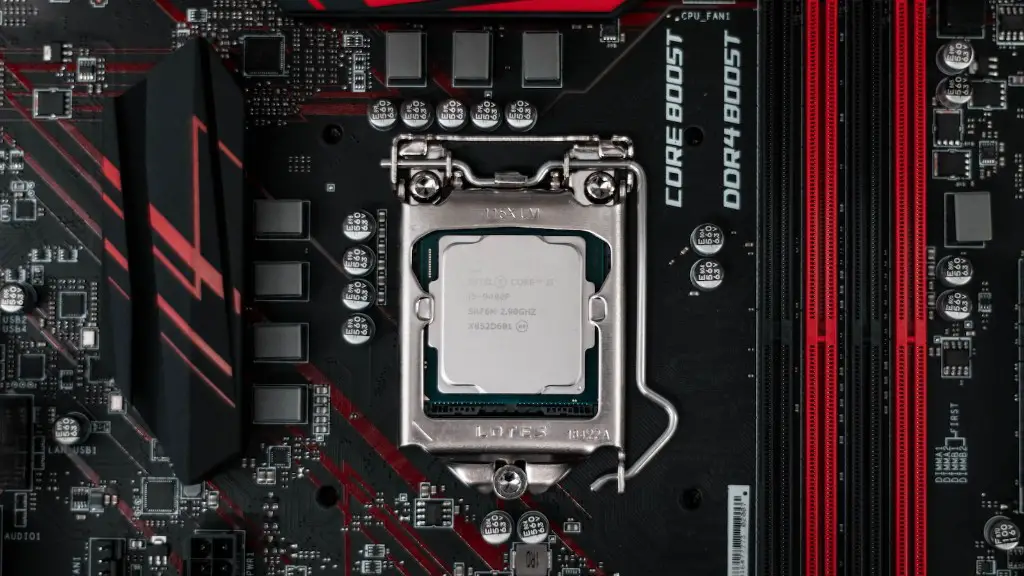
The motherboard is a printed circuit board that controls the connections between all other components. It also contains ports for adding components, such as a graphics card or additional RAM.
The processor is the brains of the gaming PC and is responsible for processing data. The processor has a low-level cache and works with the RAM to provide the game information it needs to load a game. A gaming PC requires a processor with at least four cores and a clock speed of 3.5GHz or faster.
Graphics Card

A graphics card is one of the most important components of a gaming PC as it is responsible for generating the images seen on the screen. Different games require different levels of graphical power, so a gaming PC needs to have a dedicated graphics card with a high-end GPU.
Newer cards use GDDR6 or GDDR5 memory and can support ray tracing and VR. AMD and NVIDIA are the two main companies that manufacture graphics cards, and each has their own line up with different advantages for gaming.
A gaming PC needs at least a 4GB graphics card to handle intensive games. Higher end cards with 6-8GB memory can handle even more demanding games and resolutions.
The final component of a gaming PC is RAM. Random Access Memory (RAM) is the component that stores game data temporarily and allows faster access to game information. It also plays a role in supporting multitasking and is essential for multitasking in more intensive games.
An average gaming PC should have at least 8GB of RAM, but 16GB is recommended for more demanding and intensive games.
Operating System
The operating system of a gaming PC is the software that provides the platform for all the games and other applications. Windows 10 is the most used operating system for gaming PCs, but other systems such as Linux can also be used.
Windows 10 provides an optimized gaming experience, with gaming-specific features such as game mode and enhanced performance for popular games. The system also includes built-in drivers for different gaming components, so drivers do not have to be installed manually.
Additional gaming-focused software can also be used to improve gaming performance and provide tools to customize and tweak game settings. Numerous game launchers such as Steam, Origin, and GOG provide easy access to games and their updates, as well as community forums.
Other programs such as Fraps provide the ability to record gameplay videos and streams. Programs such as Discord provide the ability for players to communicate and coordinate with other players.
Finally, security is also important for gaming PCs, which can be improved by using antivirus and antimalware software. This will protect the computer from malicious attacks and ensure the safety of confidential data.
Peripherals
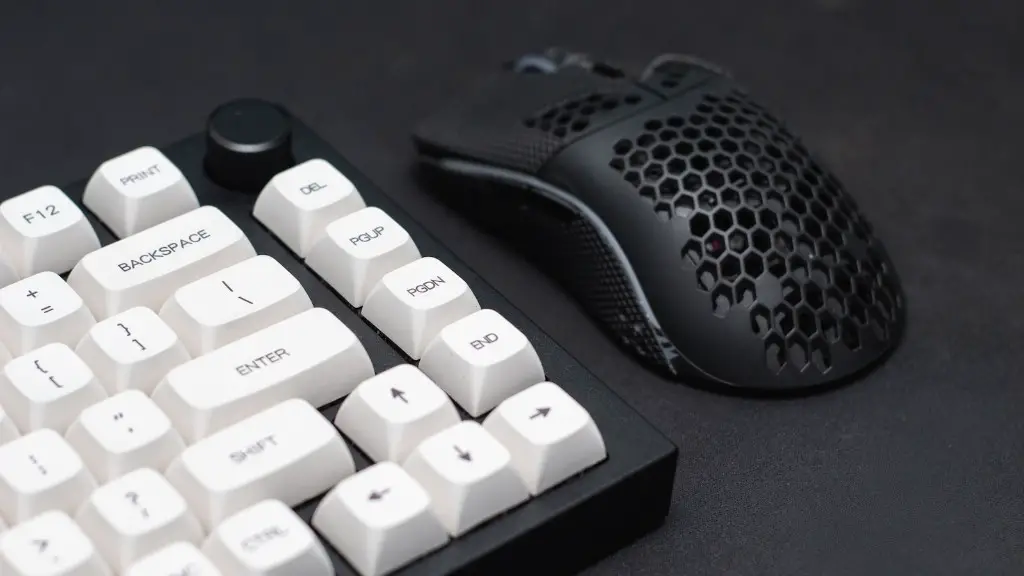
A gaming PC is not complete without the necessary peripherals such as a keyboard, mouse, and gaming headset. Keyboards and mice help with the accuracy and performance of games, and gaming headsets provide excellent audio quality for the gaming experience.
Gaming keyboards and mice require additional features such as the ability to customize the buttons and sensitivity, while gaming headsets provide noise cancellation and a comfortable fit. A gaming monitor is important as it provides a larger screen to view the game, which can have a huge impact on the gaming experience.
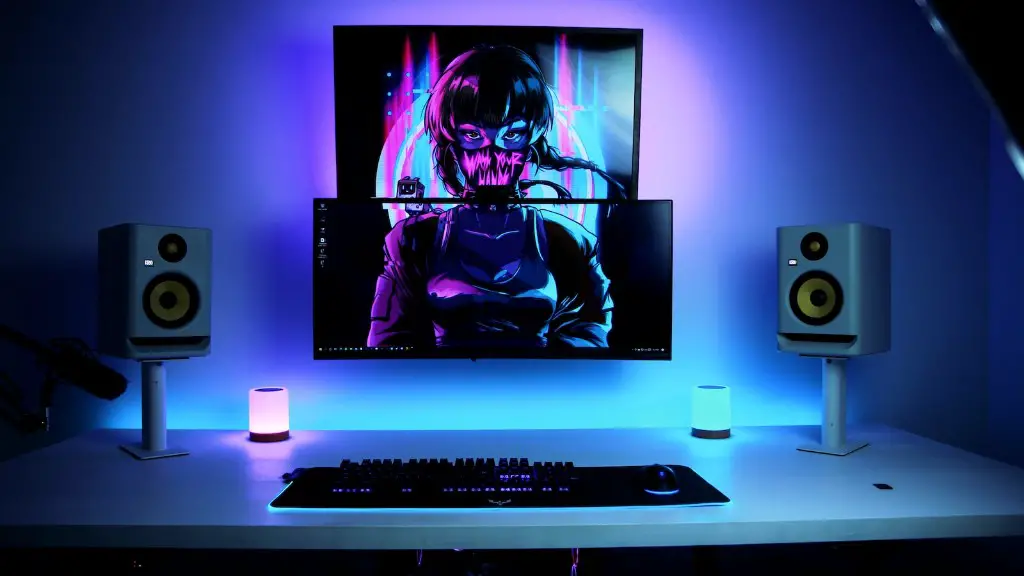
Monitors can have a range of features such as high refresh rates and low response times, which are important for competitive gaming. Monitors with adaptive-sync technology can reduce screen tearing and lag, which can improve the gaming experience.
Gaming chairs are not essential but can be beneficial to a gaming setup. Gaming chairs are designed to provide comfort and support during long gaming sessions, which can help prevent injuries and provide support for the back.
Finally, speakers are also necessary for gaming PCs. Speakers provide high-quality sound that enhances the gaming experience, and can range from small speakers to large surround sound systems.
Cost of Average Gaming PC
The cost of an average gaming PC can vary greatly depending on the configuration. However, an entry-level gaming PC with a budget of around $500 will get you a gaming PC that can handle most modern games.
A mid-range gaming PC with a budget of $1000-1500 will have higher specs and more powerful components which can handle more demanding games. A high-end gaming PC with a budget of $2000 or more will have powerful components that can deliver excellent gaming performance.
Peripherals such as monitors, keyboards, mice, and headsets also need to be considered when calculating the cost of a gaming PC. Higher-end peripherals can cost more, but the difference in performance is often worth it.
Finally, gamers should also factor in the cost of games. Online games usually require a subscription fee, while retail games can be expensive. Bundles and sales can help save money, however.
Benefits Of A Gaming PC
The main benefit of a gaming PC is the performance and features it provides. The components and software of a gaming PC are optimized to deliver excellent gaming performance and give gamers an edge in competitive games.
Higher-end components can also provide a smoother experience, with less lag and more detailed visuals. Additionally, most gaming PCs are powerful enough to run more resource-intensive applications, such as video editing software.
Finally, gaming PCs are durable and are built to last. Many gaming PCs come with custom warranties and customer support to address any issues. This ensures that gamers do not have to worry about the lifespan of their PC.
Conclusion
An average gaming PC consists of several components, including a computer case, storage drive, power supply unit, motherboard, processor, graphics card, RAM, and an operating system. These components all work together to provide excellent performance and enhance the gaming experience.
The cost of a gaming PC can range from $500 for an entry-level system to around $2000 for a high-end machine. Peripherals, such as monitors, keyboards, and gaming headsets, also need to be taken into account when calculating the total cost.
When all is said and done, a gaming PC offers a great benefit to gamers. The performance and features of a gaming PC provide gamers with an advantage in competitive gaming, while the hardware is often built to last.
