Building or upgrading to a gaming PC offers a great opportunity for anyone looking to elevate their gaming experience. With the plethora and expensive range of components available, it can be intimidating to figure out where exactly to start when it comes to building or upgrading a gaming PC. Below, we discuss what to consider when looking for upgrades for your gaming PC.
Central processing unit (CPU)
The CPU is the brain of the PC and a major factor in overall performance. Investing in a high-powered processor is a great way to ensure your gaming PC stays up-to-date with the latest games and is less susceptible to lagging or stuttering. The processor should also come with enough L3 and L2 CPU cache so that it can effectively store data, allowing efficient use of memory and power.
Graphics Processing Unit (GPU)
Your GPU is responsible for rendering visuals, allowing for more lush and immersive visuals in the latest games. It also ensures that all the elements of a game world (e.g. textures, colors, light effects and shadows) are rendered correctly. As with the CPU, it is recommended to invest in an advanced GPU to get the best gaming experience.
Operating System (OS)
Most gaming PCs will come with either a Microsoft Windows operating system or an Apple macOS. While both of these offer great gaming performance, a Windows OS will provide the most professional gaming experience. Windows 10 is a great choice for the majority of gamers as its large selection of gaming-related software and plugins make it especially well-equipped for gaming.
Storage
Most gamers need an ample amount of space to store the growing library of large games they own. It’s important to get a gaming PC with large amounts of storage, so you’ll have plenty of space for all your favorite games. A typical gaming PC can hold 7-15 TB of storage, but if you’re looking for something more sizeable, consider looking for a system with over 20 TB.
RAM
Random access memory (RAM) is important for a gaming PC as it determines how well the computer can handle multitasking. If your gaming PC has too little RAM, you won’t be able to have multiple applications running at the same time and may experience lagging. Look for laptops and PCs with at least 8 GB of RAM – though 16 GB is the best choice for avid gamers.
Cooling
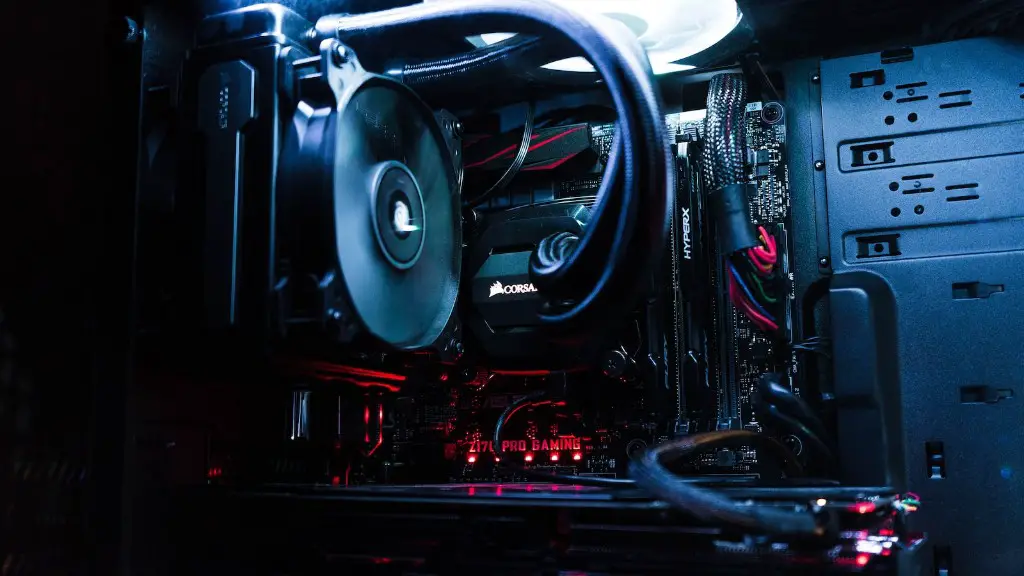
A major aspect of keeping any gaming PC running smoothly is ensuring it is cooled properly. Investing in an effective cooling system is essential for keeping your system running at peak performance and preventing any overheating or other issues. Go for a liquid cooling system if you don’t want to hear the sound of a fan, or opt for a hybrid water cooling system if you need superior cooling and performance.
Power Supply (PSU)
Picking the perfect power supply (PSU) for a gaming PC is an important factor when it comes to powering its components and ensuring the overall health of the system. The ideal PSU for a gaming PC should provide enough wattage to power all the components, have a built-in cooling system, and also come with a sufficient amount of protection against power spikes and other electronic shocks.
Motherboard
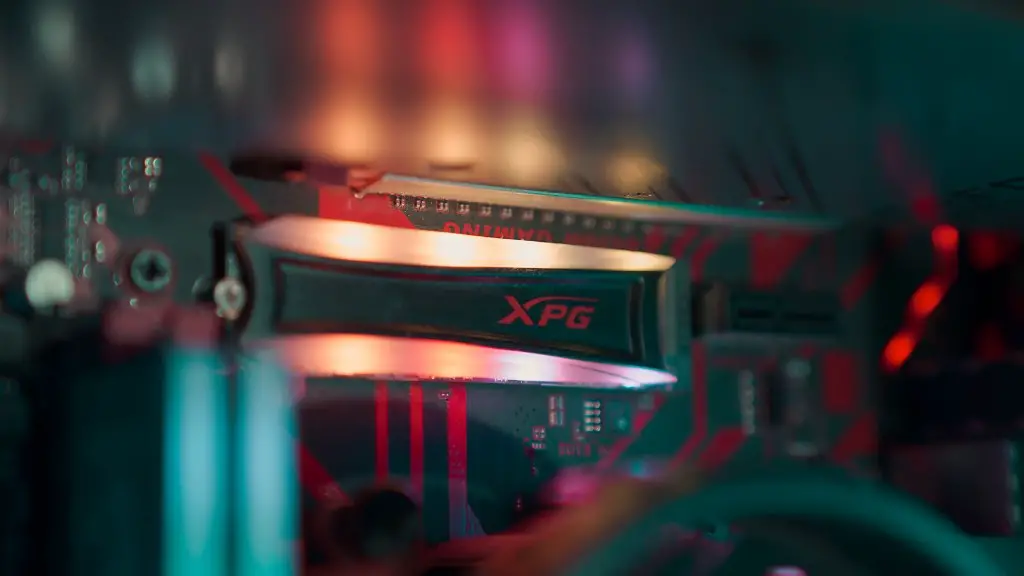
Choosing the right motherboard for a gaming PC is one of the most important choices you will make when building or upgrading your gaming machine. It provides the bridge between all of your components, meaning the motherboard must be chosen carefully to ensure compatibility and long-term stability of your gaming PC. Look for motherboards with modern features like multiple VRMs, M.2 ports and a sturdy design. Going with a motherboard that has plugins for Bluetooth and Wi-Fi is also a good idea.
Networking
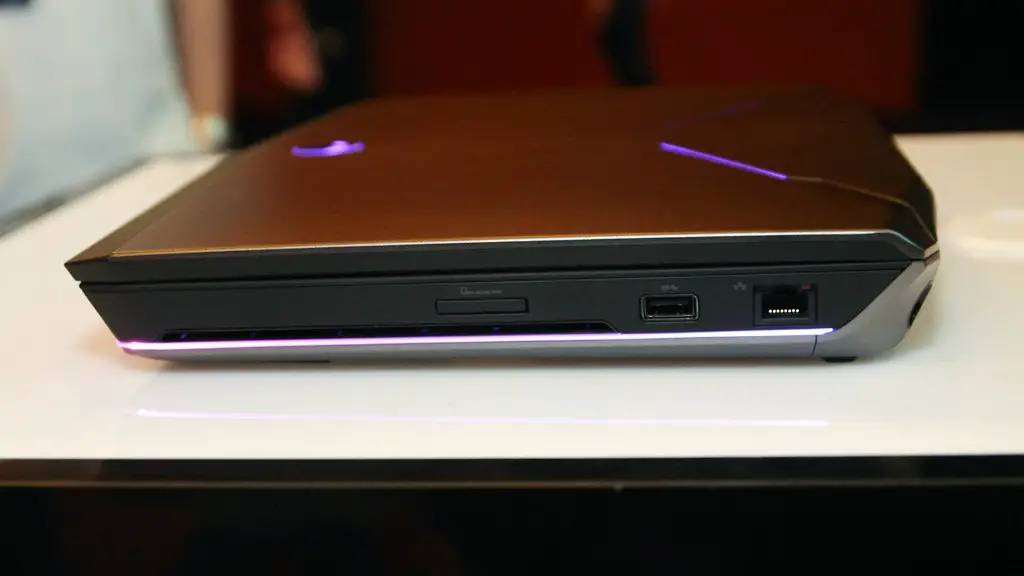
A gaming PC should also have a suitable networking solution, as a lack of a strong connection will result in severe lag or latency in games. Select a network card that is compatible with your gaming setup and ensure it is connected over an Ethernet cable for the best gaming performance. Additionally, invest in a network router if you plan on playing online games with multiple players, as this will provide better and more reliable coverage.
Memory
When it comes to the RAM that goes in a gaming PC, it is important to remember that more RAM simply means more performance. The more RAM you have, the less time your computer will take to store information and the smoother and faster your game will run. Typically, for gaming PCs it is best to have 8-16 GB of RAM, with 16 GB being the recommended amount for most gamers.
Sound Card
A sound card is a great addition to any gaming PC, as it adds a level of depth to all audio produced within a game. It also makes the audio clearer and reduces any echoing or buzzing noises. Look for a sound card with surround sound capabilities, allowing you to enjoy an immersive and realistic gaming experience. Keep in mind that sound cards typically require their own power supply, so make sure you have the necessary equipment.
Peripherals
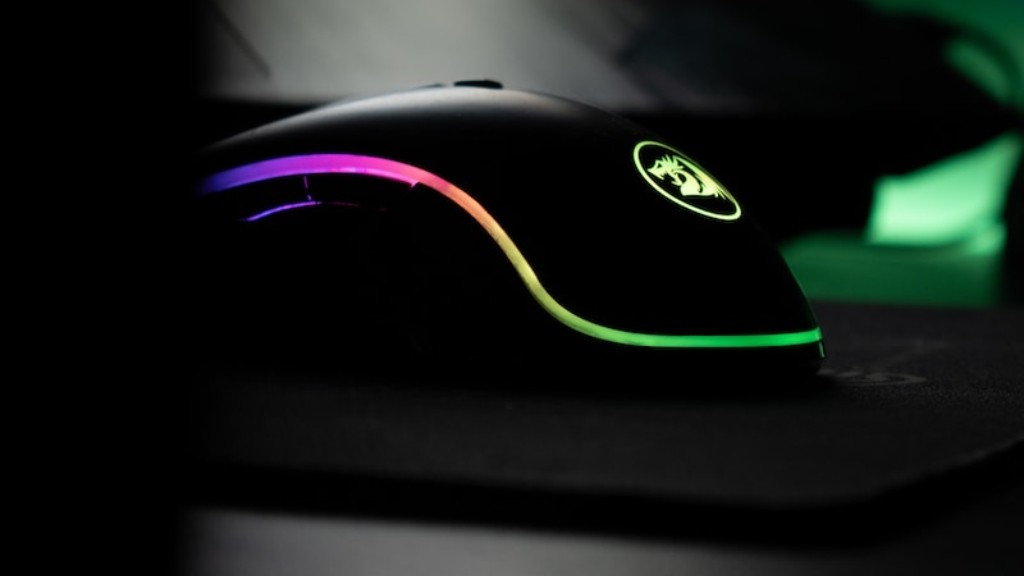
Peripherals are essential to any gaming PC – they are the extras that make gaming an immersive experience. Invest in all the necessary peripherals, such as a gaming mouse and a keyboard, to ensure you’re able to take full advantage of your gaming PC. Look for high-quality models with low-profile keys, adjustable palm rests and a wide range of commands and buttons.
