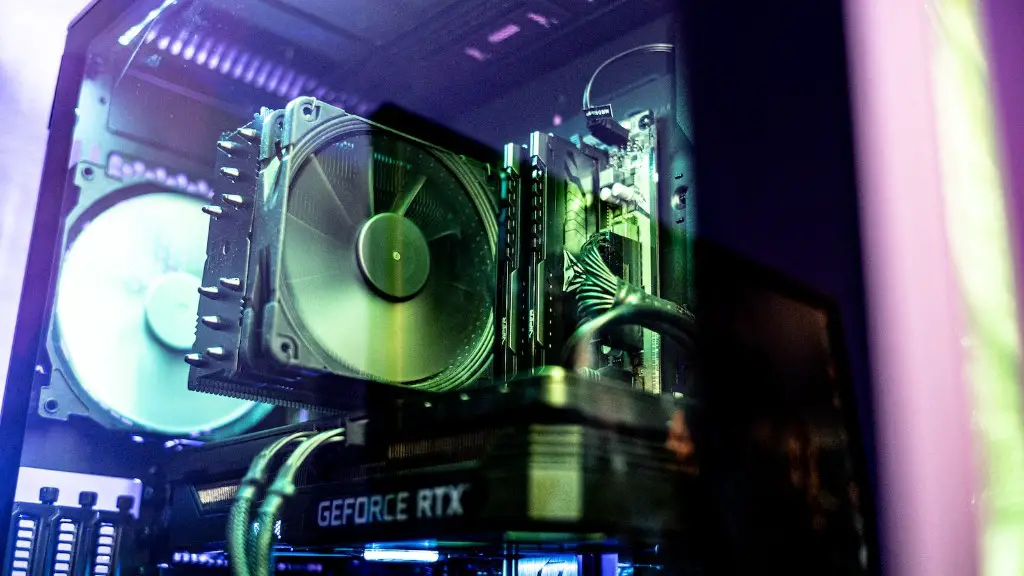
Although there is some overlap, gaming PCs and normal PCs are actually quite different from each other. Gaming PC’s are specifically designed for the purpose of playing computer games; whereas, a normal computer is designed for general purpose use such as web browsing, word processing, etc.
When assessing a gaming PC, the key thing that most gamers look for is the capability of the graphics card. High-end gaming PCs can have a range of features like powerful graphics cards, high-resolution displays and faster hard drives, which all help boost gaming performance.
On the other hand, normal PCs do not necessarily need to have these features, they can often have basic graphics cards and lower-resolution displays. With normal PCs, the focus is usually on a balance of price, performance and features, with the important thing being that the computer can perform the tasks that the user needs it to do.
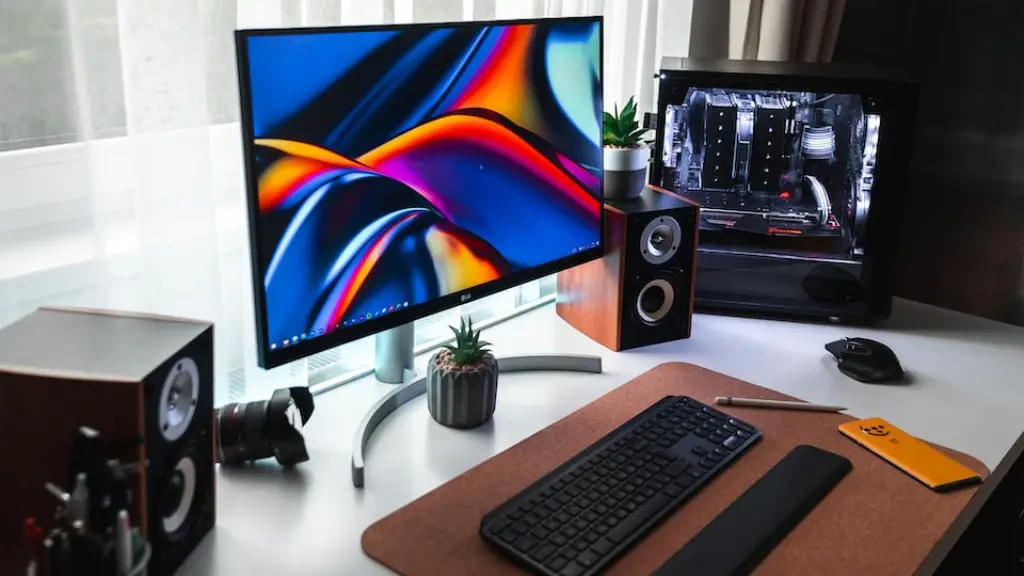
Another point to consider is that gaming PCs need more cooling than normal PCs. This is because, during gaming, the PC experiences more heat as more of the components, such as the graphics card, are used more frequently and for longer periods of time. Therefore, gaming PCs typically have more fans, bigger heatsinks, and more effective liquid coolers.
Finally, the cost of gaming PCs is higher than normal PCs because of the extra features mentioned above. However, a gaming PC is an investment that will usually last longer than a normal PC and be more upgradeable, meaning that it can be kept up to date with the latest hardware and software updates.
Are Gaming PCs More Reliable Than Normal PCs?
When it comes to reliability, gaming PCs are generally considered to be more reliable and durable than normal PCs. This is because, as most gaming PCs are built for performance and gaming, they are typically more powerful, meaning that they can handle more intensive workloads. This leads to better performance, increased stability, and less hardware and software issues.
In addition, as gaming PCs are usually more expensive, gaming manufacturers tend to pay attention to the quality of components used. This means that gaming PCs often have higher-quality components than normal PCs, which can lead to better reliability.

Finally, gaming PCs also have more system redundancy and backup solutions than normal PCs. This means that if something goes wrong, the system can often be restored quickly, resulting in less downtime and fewer operational problems.
Do Gaming PCs Cost More Than Normal PCs?
Yes, gaming PCs generally cost more than normal PCs. This is because, as already mentioned, gaming PCs require more powerful components, such as more advanced graphics cards and larger heatsinks for cooling. All of these components add to the cost of the PC.
In addition, gaming PCs also often come with additional accessories and components that can further increase the cost. These include gaming keyboards, gaming mice, gaming headsets and more. All of these accessories can quickly add up to the cost of the PC.
Finally, the cost of the software used on gaming PCs is often higher than normal PCs. This is because gaming software typically uses more advanced graphics and other features that require more processing power and better hardware components, which in turn adds to the cost of the PC.
Do Gaming PCs Require More Power Than Normal PCs?

Yes, gaming PCs usually require more power than normal PCs. This is because gaming PCs require a more powerful graphics card, faster hard drives and higher resolution displays, which all increase the power demands of the PC.
In addition, gaming PCs also tend to run more demanding applications such as games, which require more power to run than normal applications. This is because games often require more graphical processing power, more memory and faster storage speeds.
Finally, gaming PCs also require more cooling than normal PCs. This is because, during gaming, the PC is subjected to higher temperatures and more intensive workloads. Therefore, gaming PCs typically have more fans, bigger heatsinks and more effective liquid coolers.
Do Gaming PCs Have Better Performance Than Normal PCs?
Yes, gaming PCs typically have better performance than normal PCs. This is because gaming PCs are specifically designed for gaming and as such, they are equipped with powerful components and extra features that help boost gaming performance.
In addition, gaming PCs also offer more reliable performance, meaning that the PC is less likely to crash or experience slowdowns. This is because gaming PCs are built for performance, meaning that they can handle more intensive workloads and remain stable for longer periods of time.
Finally, gaming PCs are often more upgradeable than normal PCs, meaning that they can be kept up to date with the latest performance upgrades. This allows gamers to continually get the best performance out of their gaming PCs.
Are Gaming PCs More Expensive To Maintain Than Normal PCs?
Yes, gaming PCs are usually more expensive to maintain than normal PCs. This is because, as gaming PCs have more powerful components and extra features, they often require more frequent maintenance and updates. This can lead to higher repair and upgrade costs.
In addition, gaming PCs often require more cooling and require the use of more powerful and expensive cooling solutions, such as liquid cooling. All of these additions can quickly add up to the cost of maintaining a gaming PC.
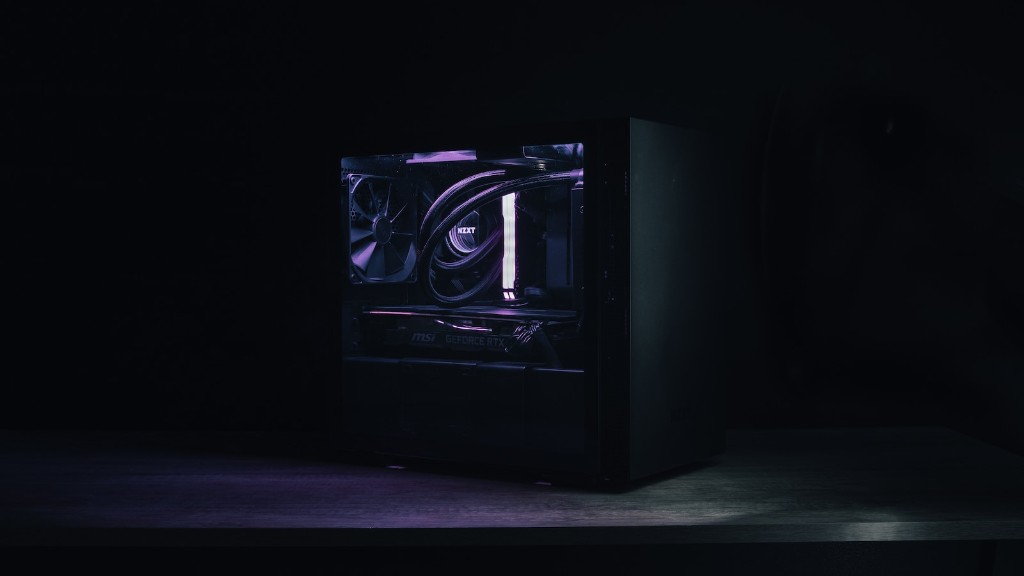
Finally, gaming PCs also require more energy to run, which can also add to the cost of maintaining a gaming PC. This is because the more powerful components require more power to run, and this power has to be paid for.
